
Social Development
CONTACT
Social Development
Corner of St Johns and Varing Streets
044 802 2000

YOUTH DEVELOPMENT/YOUTH CAFÉ
The main aim of the Youth Development office, also known as Youth Café, is to assist school leavers in preparing for the workplace, including regular interactive workshops that cover job searching, CV compilation, cover letters and the interview process.
Young people, aged between 16 and 25, can register for the workshops that are presented by a career counsellor from the Western Cape Department of Labour. People who did not pass matric or who are unemployed are welcome to attend.
The Youth Development office also works with other government departments and agencies to create further education and job opportunities for unemployed youth, and addresses issues that affect youth such as drug abuse.
Youth Cafe George:
85 Market Street, George CBD (Open Monday to Friday 8am to 4.30pm)
044 873 5272
jenaide@ycafes.co.za or rjkerspuy@george.gov.za
Youth Cafe Uniondale:
Old Clinic Building, Lang Street (Open Monday to Friday 7.45am to 4.30pm)
044 752 1024/084 696 8930/081 494 2254
jvanwyk@george.gov.za or cgjansen@george.gov.za
Municipal ECD Centres / Creches
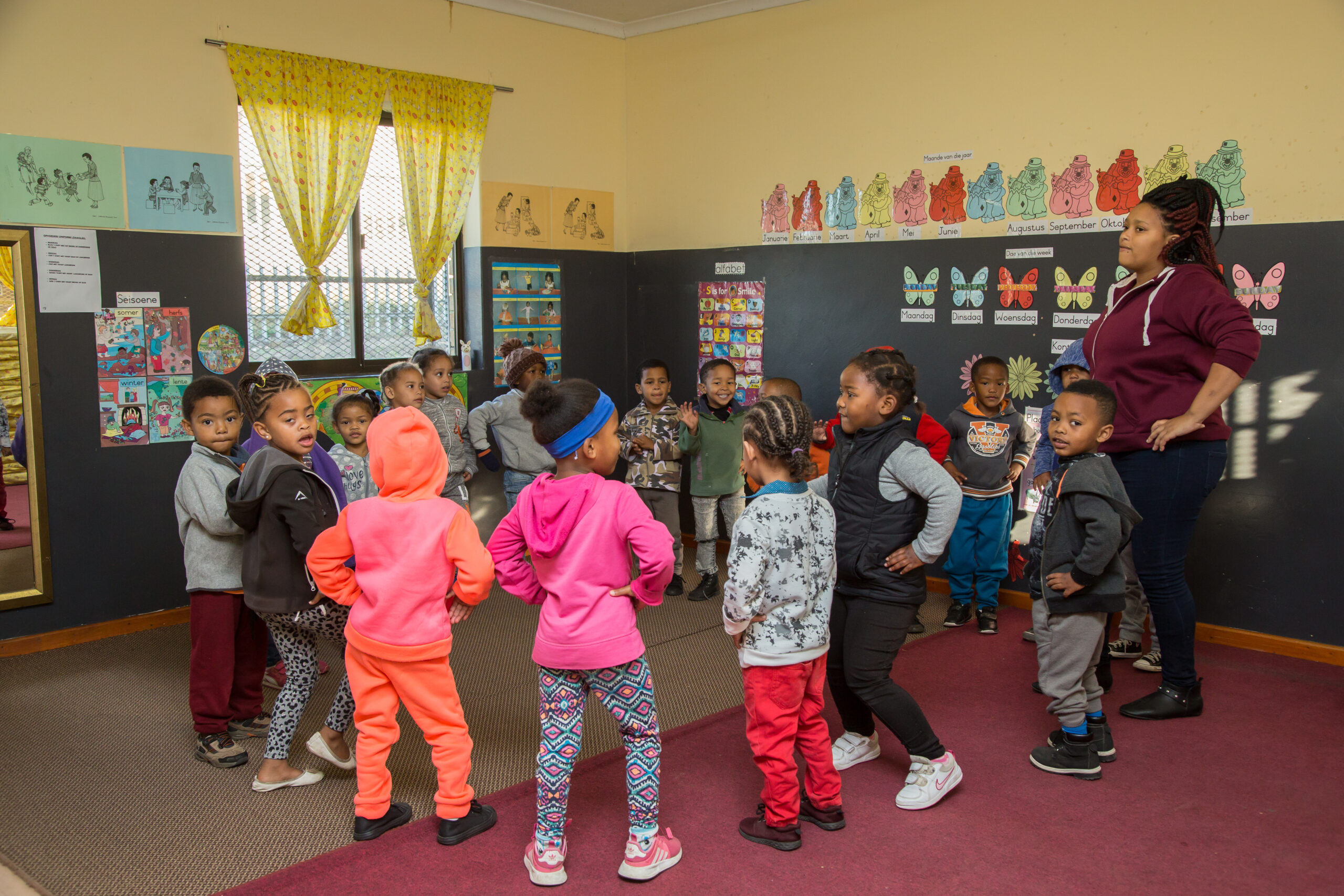
George Municipality has 27 municipal creches operating on municipal land. These facilities provide early childhood care and learning spaces within communities.
The Community Development section plays a supportive role in relation to these municipal crèche facilities. The municipality does not take over the statutory functions of the education authorities, but supports the centres mainly through facility-related oversight, maintenance coordination, and other municipal support where possible.
This section assists with:
• supporting the upkeep of municipal crèche facilities;
• identifying and reporting facility-related needs and challenges;
• promoting safe, suitable, and child-friendly environments;
• liaising with relevant departments and stakeholders where required;
• supporting improvements to facilities within available resources;
• providing additional support where funding is available and where approved through municipal processes and Council decisions.
The purpose of this programme is to help ensure that municipal crèche facilities remain safe, functional, and supportive environments for young children, while recognising the roles and responsibilities of other relevant departments in early childhood development.
The municipality also supports and monitors school after care facilities.
Persons wanting to assist or support creches can phone 044 801 4300.
Nutritional Centres / Soup Kitchens
George Municipality currently supports 120 Nutritional Centres, also commonly known as soup kitchens. These centres provide meal support to vulnerable and key populations within communities.
The Nutritional Centres programme focuses on basic nutritional support, community care, and reducing hunger among vulnerable groups.
This section assists with:
• supporting approved nutritional centres;
• coordinating food support where resources are available;
• monitoring centres to promote accountability;
• encouraging hygiene and proper food preparation practices;
• supporting volunteers who prepare and serve meals;
• identifying needs affecting vulnerable and key populations;
• linking relevant concerns to broader community development support where necessary.
The programme relies strongly on community volunteers and local partnerships. Its main purpose is to provide practical nutritional support to vulnerable and key populations in communities.

GENDER AND DISABILITY
Programmes and initiatives include support groups for the disabled and their families, access to disabled sport opportunities and a long-term goal to turn George into the most accessible city for the disabled in the country.
HIV/AIDS
The department’s HIV/AIDS activities are focused on education, awareness, treatment and care including:
Door to door health assessments (HIV, blood pressure and diabetes)
HIV counselling and testing
Home-based care
Support groups
Support for orphanages and vulnerable children organisations
People Living on the Streets / Homeless Programme
The People Living on the Streets programme supports individuals who are homeless or living in public spaces. The programme works with various organisations to provide assessment, referral, support, and reintegration where possible.
George has two shelters that form part of the broader support network:
• Ithemba Shelter
• George Night Shelter
The programme also works through the PLOTS Forum, which brings together stakeholders involved in supporting people living on the streets. Forum members include organisations such as:
• SAHARA
• Stop Trafficking
• Department of Social Development
• SAPS
• Kidstop
• People Against Substance Abuse
• CREMHOG
The People Living on the Streets programme assists with:
• identifying and assessing people living on the streets;
• referring individuals to shelters and support services;
• linking people to social workers, health services, substance abuse support, and documentation services where applicable;
• supporting family reunification where possible;
• coordinating with organisations that provide specialised services;
• promoting structured support instead of direct handouts;
• encouraging reintegration into families, shelters, programmes, or community-based support systems where possible.
The aim of the programme is to address homelessness in a coordinated way by working with shelters, government departments, non-profit organisations, safety structures, and social support services.
Aftercare Programmes
The Aftercare programme supports children after school by providing structured, supervised activities in a safer environment. These programmes assist children who may need additional support, supervision, recreation, life skills, or positive activities after normal school hours.
The programme focuses on child safety, development, learning support, and constructive use of time after school.
This section assists with:
• supporting after-school activities;
• promoting life skills and child safety awareness;
• creating structured recreational and educational opportunities;
• working with schools, parents, and community partners;
• supporting children in vulnerable communities;
• identifying children or families who may need further support;
• linking children and families to relevant services where necessary.
The purpose of the Aftercare programme is to provide children with a safer and more supportive environment after school, while also promoting positive development and reducing social risks.
Fire Incidents and Social Relief Assistance
The Fire Incident Relief programme assists households affected by fire incidents, subject to assessment and available resources. This support is provided after emergency services have responded to the incident.The programme focuses on immediate social relief and referral support for affected households.
This section assists with:
• assessing households affected by fire incidents;
• identifying immediate needs after the incident;
• providing basic relief support where resources are available;
• referring affected families to relevant services;
• coordinating with disaster management and other municipal sections;
• providing guidance on available support options.
This assistance is intended as emergency social relief. It does not replace insurance, compensation, or the full recovery of household losses, but it helps affected families with basic support during a difficult period.