George Municipality Encourages Replanting with Indigenous Trees Following Storm Damage
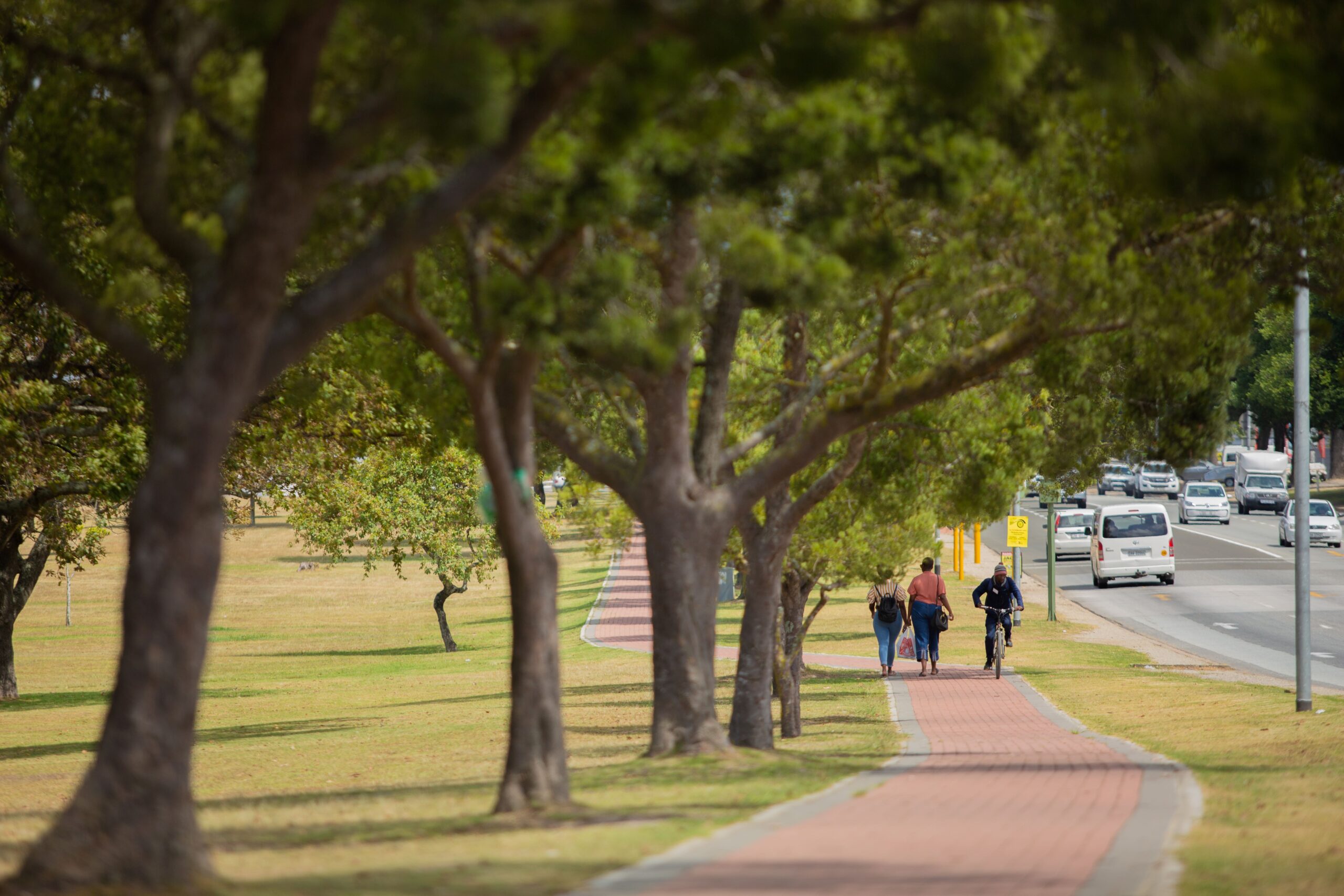
In the photo: Growing shade, beauty, and resilience—one tree at a time
Following the severe storms and strong winds that recently affected the George municipal area, including George, Uniondale, and Haarlem, hundreds of trees have been lost across public and private spaces.
As residents, businesses, and community organisations begin the recovery process and consider replacing damaged or lost trees, George Municipality is releasing updated lists of recommended tree species suitable for planting in the George, Uniondale, and Haarlem areas.
The recommended tree lists have been compiled to assist property owners in selecting species best suited to local environmental conditions, while promoting the planting of indigenous trees that contribute to biodiversity, ecosystem resilience, and the unique natural character of the region.
The lists will also guide future tree-planting initiatives undertaken by the Municipality’s Parks and Recreation Section and form part of the broader vision contained in the George Tree Master Plan, which is currently being finalised.
Executive Mayor Alderman Browen Johnson said the loss of so many trees during the recent storms serves as a reminder of the important role trees play in our communities. “Trees provide shade, improve air quality, support biodiversity, and enhance the beauty of our towns and neighbourhoods. As we rebuild after the storms, we encourage residents to plant suitable indigenous species that will thrive in our local conditions and contribute to a greener, more resilient future.”
Tips for Successful Tree Planting
George Municipality encourages residents and businesses to consider the following guidelines when selecting and planting trees:
• All trees included on the recommended lists are indigenous to the George region. Residents are encouraged to visit SANBI’s PlantZAfrica website for photographs and additional information on individual species.
• Choose the right tree for the right location by considering soil type, moisture levels, sunlight, wind exposure, and nearby infrastructure such as pipelines, buildings, and roads.
• Prioritise indigenous trees naturally occurring in your area. Trees from other regions may struggle in local conditions or become invasive.
• Prepare the planting hole properly by digging it twice as wide and slightly deeper than the root ball. Mix compost with soil at a ratio of one part compost to three parts soil before backfilling.
• Create a basin around the tree to retain water and apply a 5–10 cm layer of organic mulch to conserve moisture and suppress weeds.
• In windy areas, stake young trees to provide support until they are established.
Consider companion planting with two or three faster-growing indigenous shrubs or small trees to provide shelter and encourage healthy growth of slower-growing species.
Residents are reminded that planting the right tree in the right place not only improves the survival rate of newly planted trees but also reduces future risks to infrastructure and public safety.
The recommended tree lists for George, and for Uniondale, and Haarlem can be downloaded from the George Municipality website:
George Recommended Tree List:
https://www.george.gov.za/george-document/recommended-tree-list-george/
Uniondale and Haarlem Recommended Tree List:
https://www.george.gov.za/george-document/recommended-tree-list-uniondale-and-haarlem/
For further information, residents may contact the Environmental Services Section of George Municipality.