
George Municipality calls on community to support coordinated response to homelessness
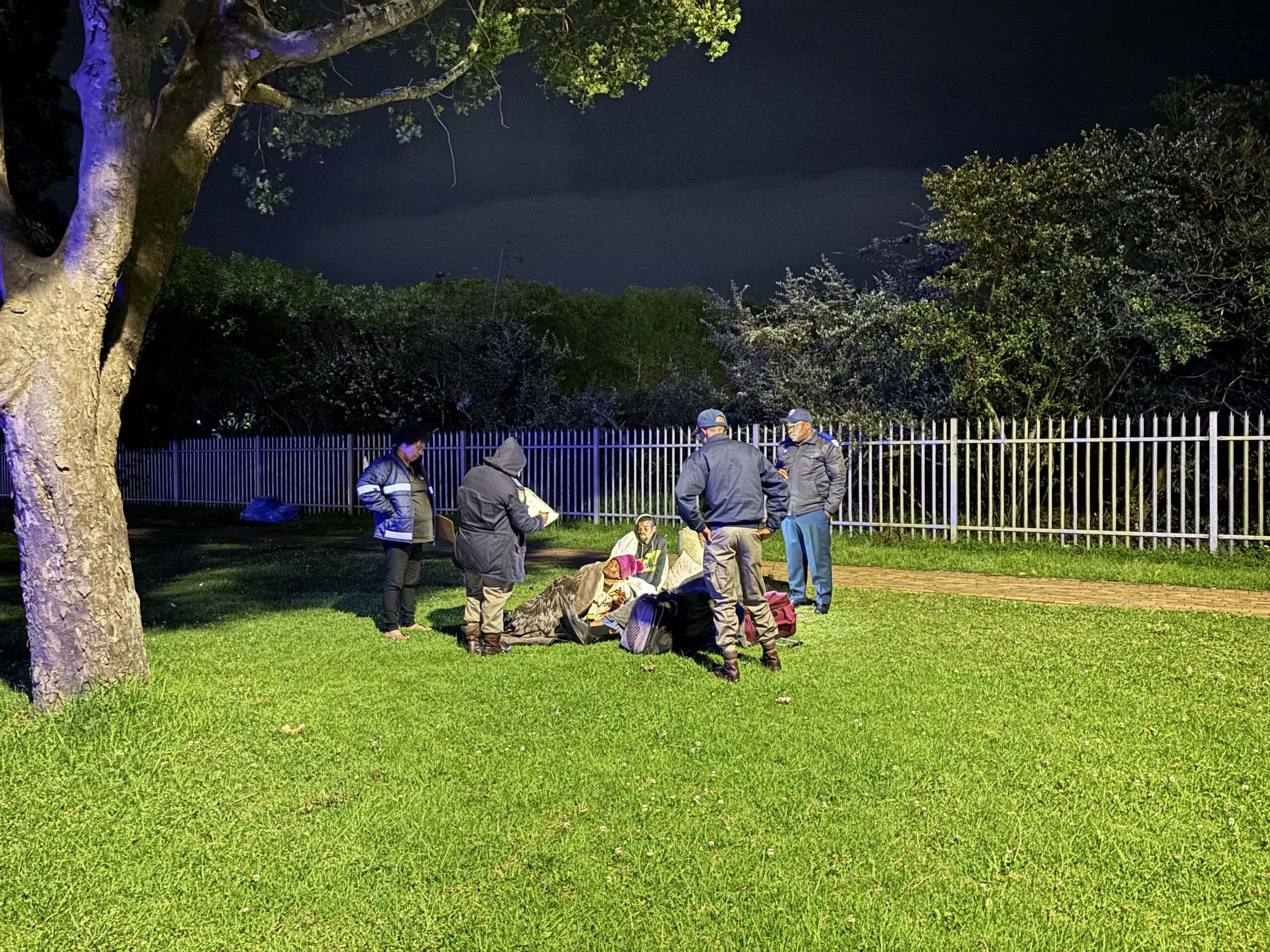
In the photo above, officials from George Municipality gather information from people living on the streets.
October survey recorded 120 people living on the streets, helping to guide outreach and support services
George Municipality is calling on residents, businesses and community organisations to help strengthen support for people living on the streets by sharing reliable information and supporting organisations already working in the community.
According to Asavela Mandongana, Social Worker: Community Projects, the Municipality’s Community Development section, George Traffic Services and Law Enforcement teams conducted a three-day survey in October to update information on people living on the streets in George. A total of 120 people were recorded during the exercise.
The survey provides a snapshot of the people reached during those three days and is not a confirmed total of everyone living on the streets in George. The information gathered, including age, gender and places of origin, will help the Municipality and its partner organisations plan outreach activities and better coordinate available services.
Residents and businesses are encouraged to report areas where people living on the streets regularly gather or sleep. Information about the location, approximate number of people and the times they are usually there can help outreach teams identify where assistance may be needed.
Mandongana said reports can be made to George Municipality on 044 802 2000. The Municipality asks the public to treat people living on the streets with dignity and respect their privacy when sharing information.
The Municipality also encourages residents to give responsibly by supporting established organisations that provide accommodation, counselling, treatment referrals and other services to people living on the streets.
The organisations address different needs, and community support helps them continue their work.
Cremhog, through its Ithemba Night Shelter, offers a structured six-month transitional programme for people living on the streets. Beneficiaries do not pay for the programme, as the organisation covers the associated costs.
George Night Shelter provides overnight accommodation at R25 per night. Members of the public can donate towards its services or enquire about sponsoring an individual’s stay, which provides access to a bed, a shower and a hot meal.
PASA assists people who need help accessing rehabilitation and treatment programmes and provides follow-up support to those who complete at least six months of rehabilitation. While PASA can help facilitate access to treatment, the treatment costs must be covered by the individual’s family. Transport costs are also not covered by PASA.
Stop Trafficking provides free counselling to people living on the streets, while Kidstop works with children on the streets and offers parent training to parents living on the streets. SAHARA provides support groups for people who need ongoing assistance.
These services complement the Municipality’s efforts, but no single organisation can address homelessness on its own. Cooperation between government, non-profit organisations, businesses and residents is important to ensure that people can be connected with the support most appropriate to their circumstances, said Mandongana.
Residents and businesses who wish to report locations where people living on the streets may need assistance or enquire about responsible giving can contact George Municipality on 044 802 2000.
Survey findings
Of the 120 people recorded during the survey, 82 were male (68.3%) and 38 were female (31.7%).
The largest age group was 31 to 35 years, with 23 people recorded, followed by the 26 to 30 age group, with 20 people, and those aged 41 to 50, with 18 people.
The age breakdown was as follows:
- 15–20 years: 7 people
- 21–25 years: 15 people
- 26–30 years: 20 people
- 31–35 years: 23 people
- 36–40 years: 17 people
- 41–50 years: 18 people
- 51–60 years: 14 people
- 61–70 years: 5 people
- 71 years and older: 1 person
The survey also recorded a range of places of origin. George Central was recorded most frequently, with 14 people, followed by Borchards and Pacaltsdorp, with 12 each. Thembalethu accounted for 11 people and Parkdene for 10.
Other places recorded included Conville, Oudtshoorn, Cape Town, Lawaaikamp, the Eastern Cape, Rosemoor and Blanco.
The findings will help inform further engagement and service planning.
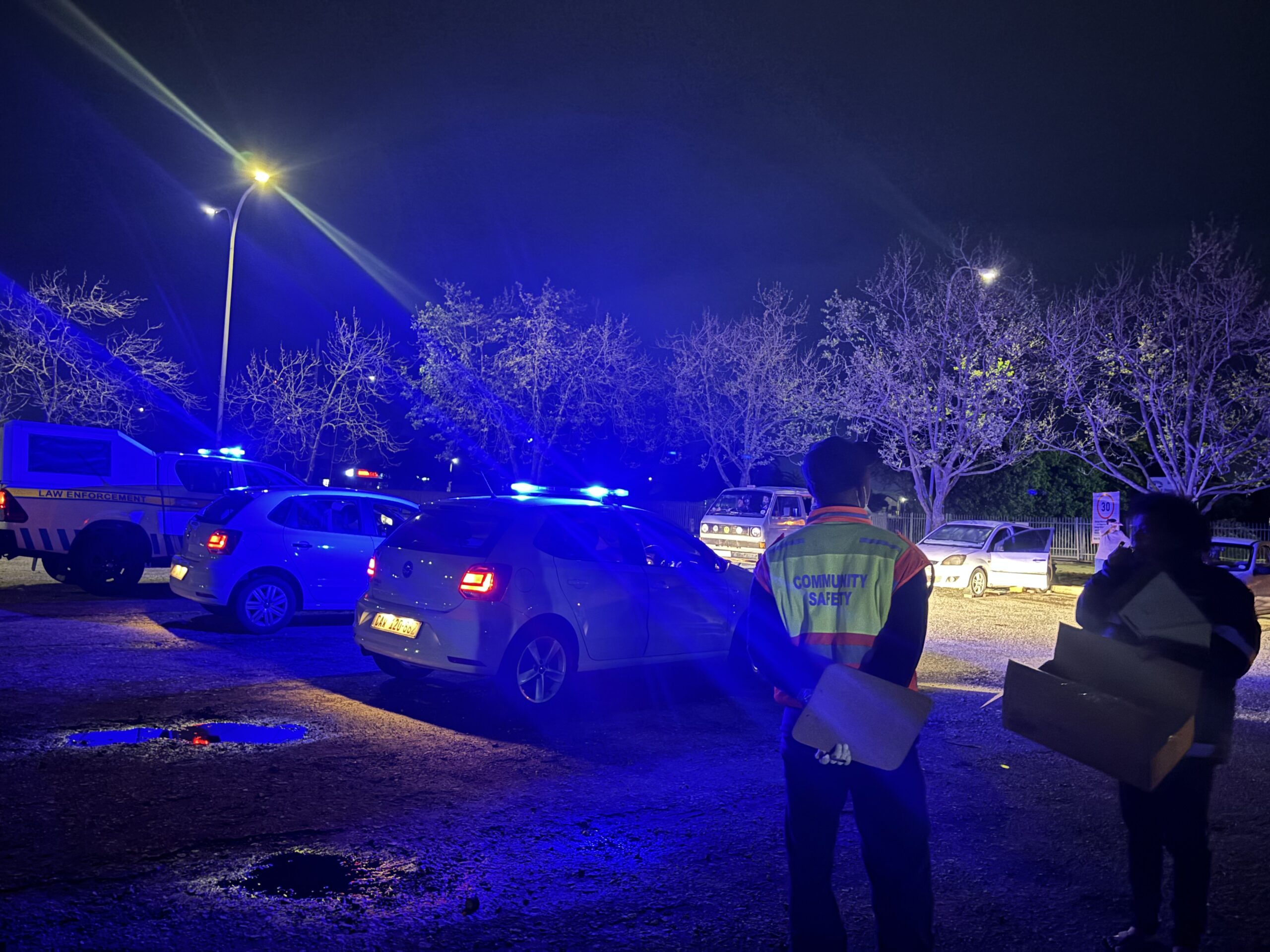
Photos taken during the operation at night.