Skip to content Skip to left sidebar Skip to right sidebar Skip to footer

Author: Debra Sauer

Youth invited to pre-register for fashion and creative skills programmes

George Municipality Youth Office, in conjunction with the Garden Route Fashion & Creative Expo 2026, invites young people aged 12 to 26 to pre-register for a range of free skills development programmes taking place during the Expo.
The Garden Route Fashion & Creative Expo is hosted by Reflekt Model Management / Reflekt Development Division, in partnership with the Elizabeth Galloway Academy of Fashion and various creative, educational and industry stakeholders.
The Expo brings together young people, emerging creatives, students, graduates and industry professionals, offering opportunities to explore fashion, design and the wider creative industries through practical skills development, exhibitions, networking and industry exposure.

Skills development programmes
The programme includes introductory and practical sessions in:
• Photography
• Introduction to the Modelling and Fashion Industry
• Basic Styling and Wardrobe Planning
• Fashion Trend Forecasting
• Fashion Visual Communication
• Upcycled Knits
• Basic Crochet Workshop
• Fashion and Creative Entrepreneurship
• Future in Fashion

The programmes will take place at the George Museum during the Expo period.
Expo: 29 September – 30 October 2026
Skills Development Programmes: 30 September – 16 October 2026

FREE TO ATTEND | LIMITED SPACES
All skills development sessions are free of charge, but places are limited and pre-registration is required.

Pre-registration form
Once registration has been received, attendance and programme details will be confirmed via email.
Young people are encouraged to make use of this opportunity to gain practical skills, explore creative career pathways and connect with the fashion and creative industries.
For enquiries, contact info@reflektmodelmanagement.co.za or 083 334 3538.

Council considers impact of labour costs on IUDG-funded projects

George Municipality Council has approved and adopted its Consolidated Capital Expenditure Framework (CEF) for 2026/2027, which will guide how the Municipality plans and prioritises its infrastructure projects.

During the discussion, of the item in a Special Council sitting online on 28 September 2026, Council also considered the cost of employing workers on projects funded wholly or partly through the Integrated Urban Development Grant (IUDG).
Acting Municipal Manager Dean O’Neill said the Municipality must carefully balance the need to create employment opportunities with the need to ensure that grant-funded infrastructure projects are delivered within their available budgets.
“Grant funding is limited and needs to be used carefully. If the cost of a project increases, there is less funding available for the project itself and potentially fewer people can be employed during the construction phase,” said O’Neill.

He said the Expanded Public Works Programme (EPWP) also provides an opportunity for more people to benefit from temporary work and earn an income while projects are being implemented, at the applicable EPWP rates.
“Our responsibility is to make sure that the funding is used for the purpose for which it was provided, while creating as many work opportunities as possible and delivering the infrastructure that communities need,” he said.

It was also noted that the Municipality cannot determine the wages that independent contractors pay their employees beyond the requirements of applicable legislation and the conditions contained in the relevant contracts. Contractors remain responsible for complying with labour legislation and applicable wage requirements.

As part of the discussion on Item 4.11, the Patriotic Alliance put forward a counter proposal relating to wages on IUDG-funded Civil Engineering projects.
The counter proposal was proposed by Cllr Raphael Goeieman and seconded by Cllr Marcell Kleynhans.

It proposed that workers on Civil Engineering projects funded wholly or partly through the IUDG be paid at applicable industry-related wage rates, in accordance with the National Minimum Wage Act, Basic Conditions of Employment Act and applicable Bargaining Council agreements or Sectoral Determinations.
The proposal also called for these requirements to be included in IUDG applications, project budgets, tender specifications and contractual conditions. It further proposed that the Municipal Manager or delegated officials monitor contractual compliance, while the Department of Employment and Labour remains responsible for enforcing applicable labour legislation and wage determinations.

While the proposal may seem to be beneficial on the face of it, the unintended consequences are not and Council considered the proposal against the available funding for infrastructure projects, the potential impact on project costs and the number of people who could be employed during the implementation phase.

The CEF brings together the Municipality’s infrastructure needs, spatial planning and available funding. It is aligned with the Integrated Development Plan, Municipal Spatial Development Framework and budget, and supports the Municipality’s requirements for accessing and retaining IUDG funding.
Projects are considered according to factors such as service backlogs, growth, infrastructure needs, affordability, technical readiness and the potential social and economic benefit.
The CEF does not approve funding for individual projects. Projects still have to go through the annual budget process and can only proceed once funding has been approved and is available.
O’Neill said the CEF gives the Municipality a clearer basis for making decisions about where limited capital funding should be directed.

“We need to make sure that the money available to the Municipality is used where it can have a meaningful and lasting benefit for residents. That means looking not only at the immediate cost of a project, but also at the infrastructure we are able to deliver and maintain over the longer term,” said O’Neill.

PUBLIC NOTICE: EXTERNAL BURSARY APPLICATIONS

George Municipality invites all suitably qualified applicants to apply for the available external bursaries.
Applicants are encouraged to follow the link below for the application form, advertisement and checklist of requirements:
https://www.george.gov.za/hr-doc-categories/jobs-and-bursaries/bursaries/
Please ensure that all required documentation is submitted as specified in the checklist.

The National Presidential MSME and Cooperative Awards

The Department of Small Business Development and SEDFA are proud to announce that the National Presidential MSME and Cooperatives Awards are back, championing local excellence for a globally competitive South Africa!

These prestigious awards recognise excellence, innovation, and resilience across ten diverse categories, including agriculture, manufacturing, finance, digital, cooperatives, as well as female- and youth-owned enterprises.

Great News! The application deadline has been extended.

You now have additional time to submit your entry and showcase your business on a national platform.

New Application Deadline: Monday, 07 September 2026

Don’t miss this opportunity to gain recognition for your hard work and contribution to South Africa’s economy.

Apply: https://www.msmeawards.org/

IMPSA Cape Branch brings municipal HR practitioners together in George

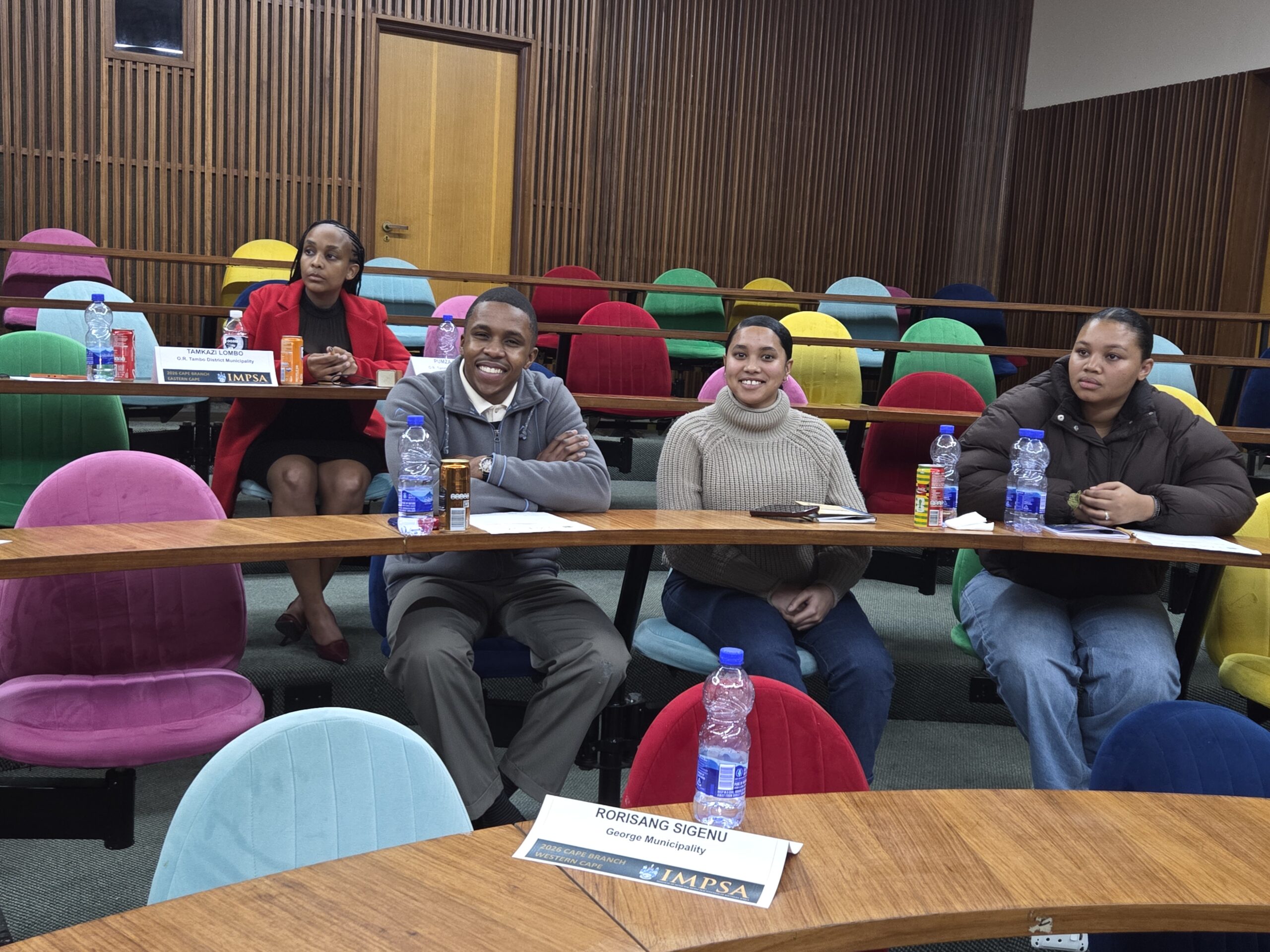
In the photo above, Vivian Kotzee from Bergrivier Municipality addresses the attendees at Institute of Municipal Practitioners South Africa (IMPSA) Cape Branch’s quarterly Knowledge Sharing Seminar in George. Looking on from left are Bevan Cassim, Deputy Director: Human Resources, George Municipality, Tamkazi Lombo from O.R Tambo District Municipality and Rorisang Sigenu from George Municipality.
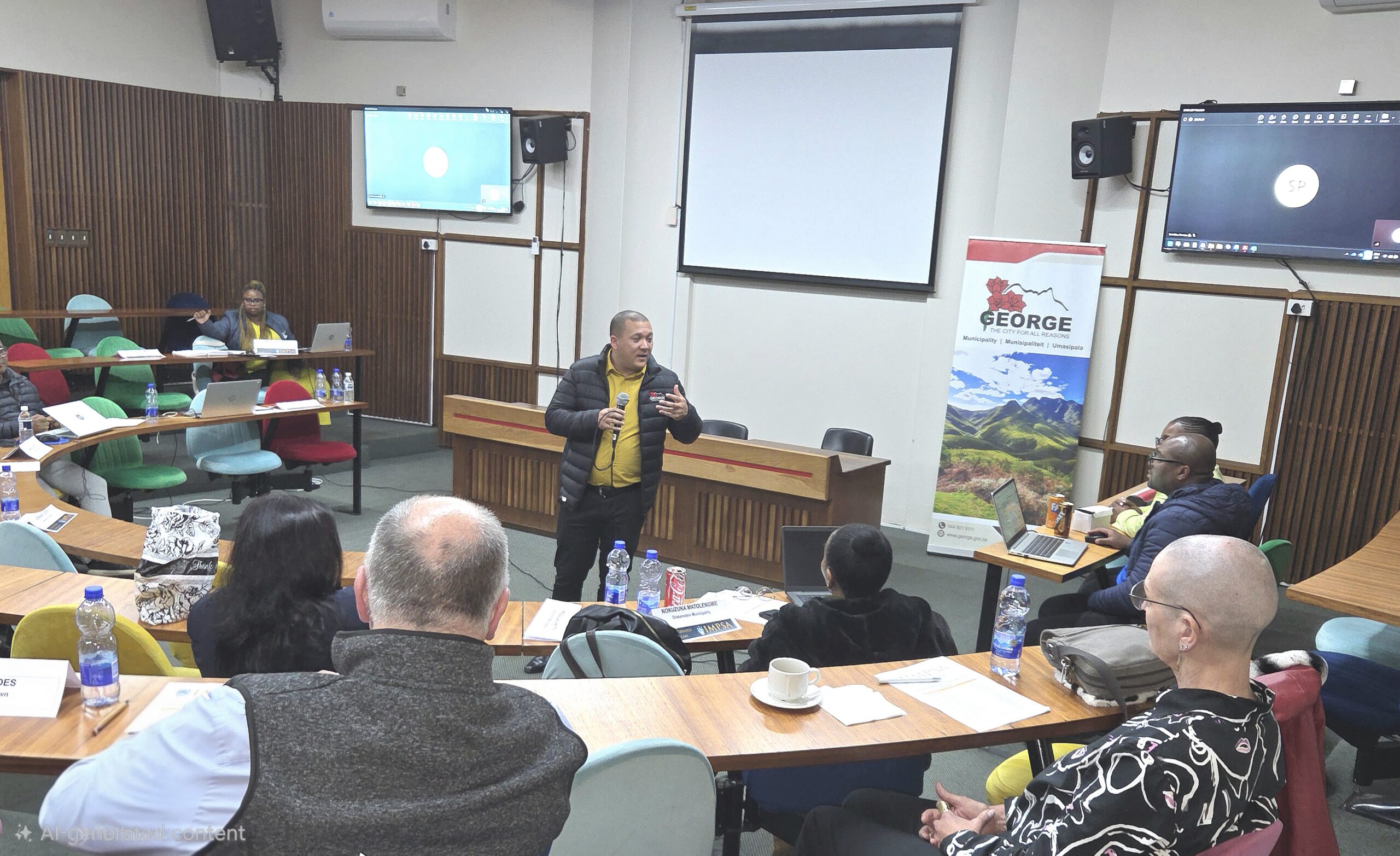
HR3: Bevan Cassim, Deputy Director: Human Resources, George Municipality addresses the attendees at the event.

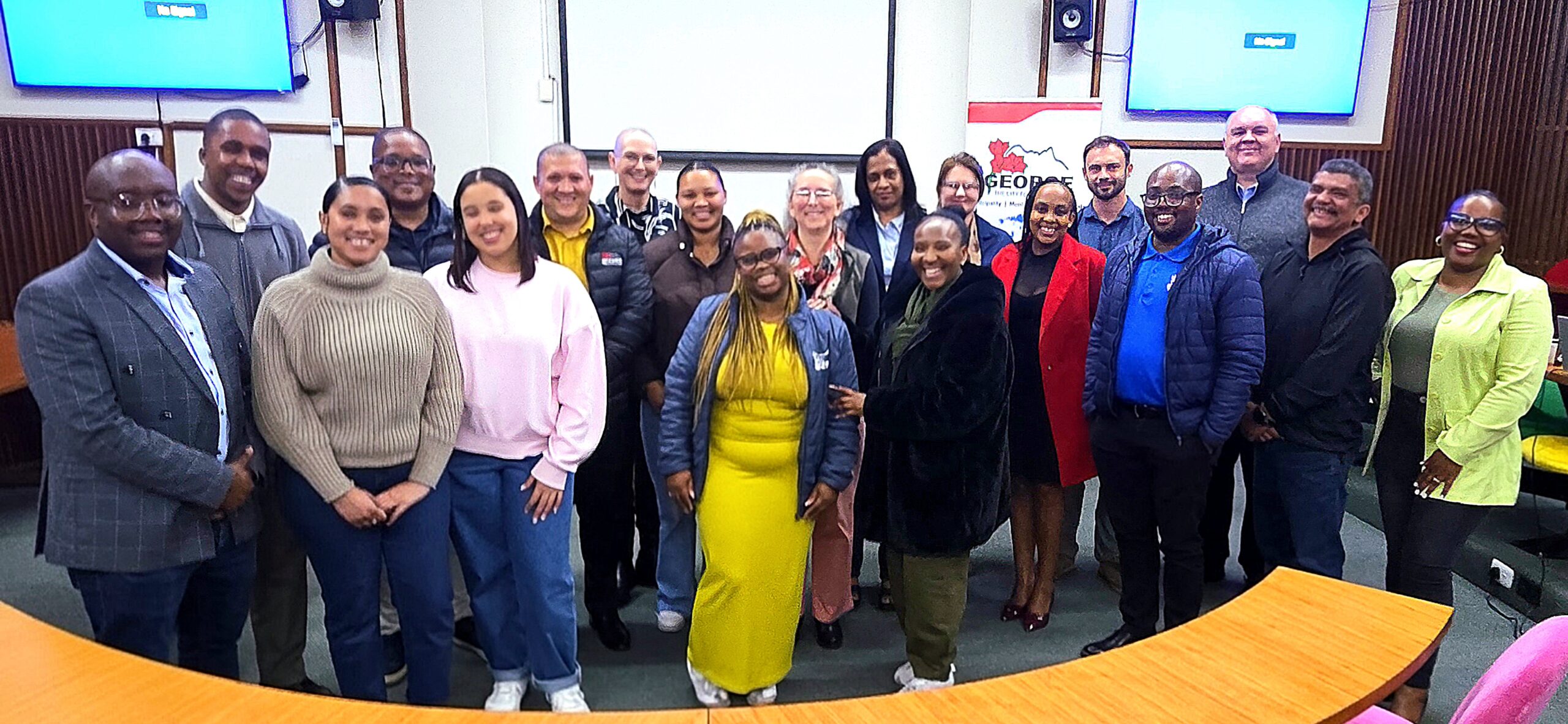
George Municipality hosted the Institute of Municipal Practitioners South Africa (IMPSA) Cape Branch’s quarterly Knowledge Sharing Seminar on 20 August 2026, followed by the Cape Branch Executive Meeting on 21 August 2026.

The two-day gathering brought together Human Resource and People Management practitioners from municipalities across the Western Cape, Northern Cape, Eastern Cape and Free State.

The seminar provided an opportunity for municipal HR professionals to share experiences, learn from one another and discuss practical ways of supporting employees and creating healthier, more effective workplaces.
For George Municipality, being part of these engagements helps ensure that its HR practitioners stay up to date with developments in the workplace and continue learning from the experiences of colleagues across local government.

A key focus of this year’s seminar was the well-being of HR professionals themselves.
The first presentation, by Christa Liebenberg, looked at “Help, My Inner Critic Will Not Stop!” and explored some of the pressures faced by professionals in the workplace. These include managing competing expectations, dealing with accountability and working under pressure.
Participants were given practical tools to help them deal with workplace challenges, build resilience and manage stress more effectively.
The second presentation focused on employee wellness and was delivered by Colleen Chandler-Hendricks, an Employee Assistance Programme (EAP) Officer. She shared examples of the work being done through Drakenstein Municipality’s Employee Wellness Programme.

The discussion covered a range of issues, including employee assistance and counselling, health promotion, occupational health and safety, absenteeism, productivity, policy development and ways of encouraging employees to take part in wellness initiatives.
One of the strongest messages from the seminar was that HR practitioners spend much of their working lives supporting others, but can sometimes forget to look after themselves.

The simple message was: you cannot pour from an empty cup.
Looking after their own mental well-being, resilience and personal development enables HR professionals to continue supporting employees and their organisations effectively.
The seminar was officially opened by Reginald Salmons, Chairperson of the IMPSA Cape Branch, while Bevan Cassim, Deputy Chairperson, welcomed delegates and outlined the programme.
Nokuzuka Matolengwe, Manager: Human Resources at Drakenstein Municipality, facilitated an interactive icebreaker session before the presentations.

The discussions also provided an opportunity for practitioners from different municipalities and provinces to connect, exchange ideas and share practical experiences.
The Knowledge Sharing Seminar was followed on 21 August by the IMPSA Cape Branch Executive Meeting, where members discussed the future direction of the branch and matters relating to its work within the national IMPSA structure.
Among the matters discussed were the IMPSA Constitution, the Cape Branch vision and mission, and the adoption of the branch slogan:
“Leading in Professional Excellence in Municipal People Management.”

The Cape Branch Terms of Reference were also approved to guide its engagement with the national IMPSA structure.
The next IMPSA Cape Branch Knowledge Sharing Seminar will be hosted by the City of Cape Town from 18 to 19 November 2026, followed by the Cape Branch Executive Meeting on 20 November.
George Municipality was pleased to host colleagues from across the region and to contribute to an event focused on learning, collaboration and the well-being of the people who support municipal employees every day.

Photos:

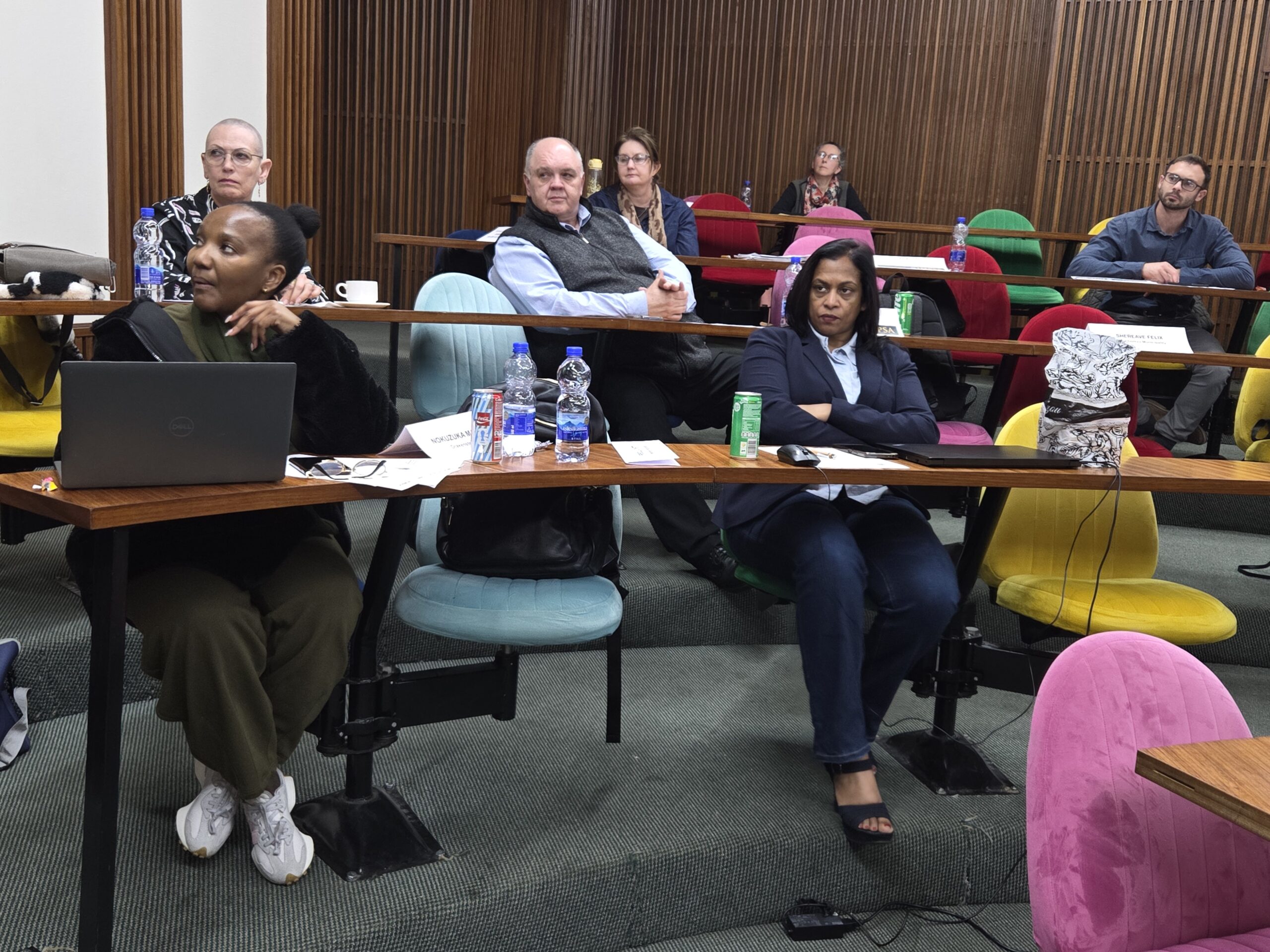
Attendees during the seminar in George.

Attendees at the Institute of Municipal Practitioners South Africa (IMPSA) Cape Branch’s quarterly Knowledge Sharing Seminar at the Conference Centre, George Civic Centre.

Attendees at the Institute of Municipal Practitioners South Africa (IMPSA) Cape Branch’s quarterly Knowledge Sharing Seminar at the Conference Centre, George Civic Centre.

Bevan Cassim, Deputy Director: Human Resources, George Municipality addresses the attendees at the event.

George Municipality official recognised for Best Paper at SARPA Convention

In the photo above, Speakers at the the event are from left, Michael Rhode, Director of Electrical Engineering Services, George Municipality, Kenneth Samolapo, SARPA President, Dr Kosie Haarhoff, Acting Director: Community Services, George Municipality and Ald Browen Johnson, Executive Mayor of George singing the national anthem at the 2026 Southern African Revenue Protection Association (SARPA) Convention, held in George from 20 to 21 August.

George Municipality official Edward Nqumse received the Best Paper award at the 2026 Southern African Revenue Protection Association (SARPA) Convention, held in George from 20 to 21 August.

Nqumse was recognised for his presentation, “Case Study of Best Practices to Combat Essential Infrastructure Crimes in George Municipality”, which shared the municipality’s approach to combating infrastructure-related crime and protecting essential services and municipal revenue.

The award was a highlight of the two-day convention, hosted by George Municipality and attended by municipal leaders, revenue protection practitioners, technical experts, business representatives and delegates from South Africa and abroad.
Held under the theme “Protecting Revenue in a Changing Landscape: Balancing Enforcement and Equity through Change Management, Innovation and Consequence Management”, the convention focused on the growing pressures facing municipal revenue and the need for municipalities to adapt to a changing energy, water and technology landscape.

The keynote address by Lerato Phasha of the South African Local Government Association (SALGA) highlighted the financial pressures facing municipalities, including declining collection rates, consumer debt, inaccurate billing, infrastructure failures, electricity and water losses, illegal connections and increasing costs associated with infrastructure theft and vandalism.
Phasha said reforms in the electricity, water and local government sectors presented both opportunities and risks for municipalities. While municipalities have opportunities to modernise their systems, introduce new technologies and diversify their revenue sources, traditional revenue streams are increasingly under pressure.

The growing use of rooftop solar, embedded generation and energy efficiency, is changing the municipal electricity environment, while water losses, ageing infrastructure, theft, vandalism and affordability pressures continue to affect water revenue.
Phasha emphasised that revenue protection must become a strategic priority, with municipalities investing in smart metering, advanced metering infrastructure, data analytics, customer database verification and stronger enforcement.
Furthermore, she highlighted the importance of revenue certainty – the ability of a municipality to accurately measure, bill, collect and forecast its revenue. This is essential for financial sustainability and can influence a municipality’s ability to access infrastructure financing and attract investment.

George Municipality used the convention to share practical examples of how it is responding to these challenges.
Three municipal presentations formed part of the programme, covering smart metering implementation by Jemaine Cupido, Manager Energy Security, the Digital Water Network Twin by SP Van Zyl GLS Consulting – Water Services Department and best practices in combating essential infrastructure crime Edward Nqumse, Superintendent Illegal Connections.
Other sessions focused on revenue protection best practices, power quality monitoring, digital revenue recovery, change management, smart water meter deployment and innovative approaches to combating cable theft.
The programme also explored how municipalities can balance enforcement with equity while using technology to improve revenue collection and reduce losses.

George Municipality has already begun adapting to changes in the energy environment through initiatives including wheeling agreements and Independent Power Producer (IPP) arrangements. The municipality has entered into a three-year IPP agreement expected to generate savings on bulk electricity purchases and is working towards a 20MW IPP contract. These initiatives form part of the municipality’s broader efforts to manage resources responsibly, strengthen financial sustainability and ensure that municipal services remain viable in a changing environment.

The theft and vandalism of essential infrastructure was a recurring theme during the convention.
Damage to electricity infrastructure and other municipal assets can interrupt services to communities while placing additional financial pressure on municipalities.

SARPA President Kenneth Samolapo said revenue protection was no longer simply a matter of collecting money, but was closely linked to protecting infrastructure, maintaining services and ensuring the sustainability of municipalities.
SARPA also highlighted its involvement in efforts to strengthen the response to infrastructure-related crimes, including collaboration with organisations such as SALGA, the Association of Municipal Electricity Undertakings (AMEU), CIGFARO, National and Provincial Treasury and the Department of Cooperative Governance and Traditional Affairs (COGTA).

The convention marked an important milestone in SARPA’s professionalisation programme.
The association introduced a structured professional designation pathway for revenue protection practitioners, ranging from Junior Revenue Protection Officer through to Master Revenue Protection Officer.

The designations recognise increasing levels of competence, experience and contribution to the profession and are supported by continuous professional development requirements.
The initiative supports the broader professionalisation of the public sector and aims to strengthen revenue protection as a specialised professional field.
A strong message emerging from the convention was that municipalities cannot rely solely on traditional revenue streams as the operating environment changes.

Potential opportunities discussed included renewable energy, electricity wheeling, telecommunications infrastructure, property development, land value capture and green finance.
At the same time, municipalities need to focus on improving collection rates, reducing non-revenue water and electricity losses, maintaining infrastructure, strengthening financial controls and supporting local economic growth.
George Executive Mayor, Ald Browen Johnson, welcomed delegates to the city and said the convention provided an important platform for municipalities to share practical solutions to the challenges created by growth and a changing operating environment.

“George is a city that continues to grow. Our population has increased significantly over the years, bringing with it greater demand for housing, infrastructure, electricity, water, roads and other essential municipal services,” said Mayor Johnson.
He said the municipality wanted George to become a smarter city in the Garden Route that embraces innovation and responds practically to the challenges of a growing population and changing environment.
The convention brought together local and international expertise, including a contribution from the UK Revenue Protection Association, and provided an opportunity for delegates to exchange knowledge and experiences.

The overall message was clear: protecting municipal revenue is fundamental to ensuring sustainable service delivery.

Photos:
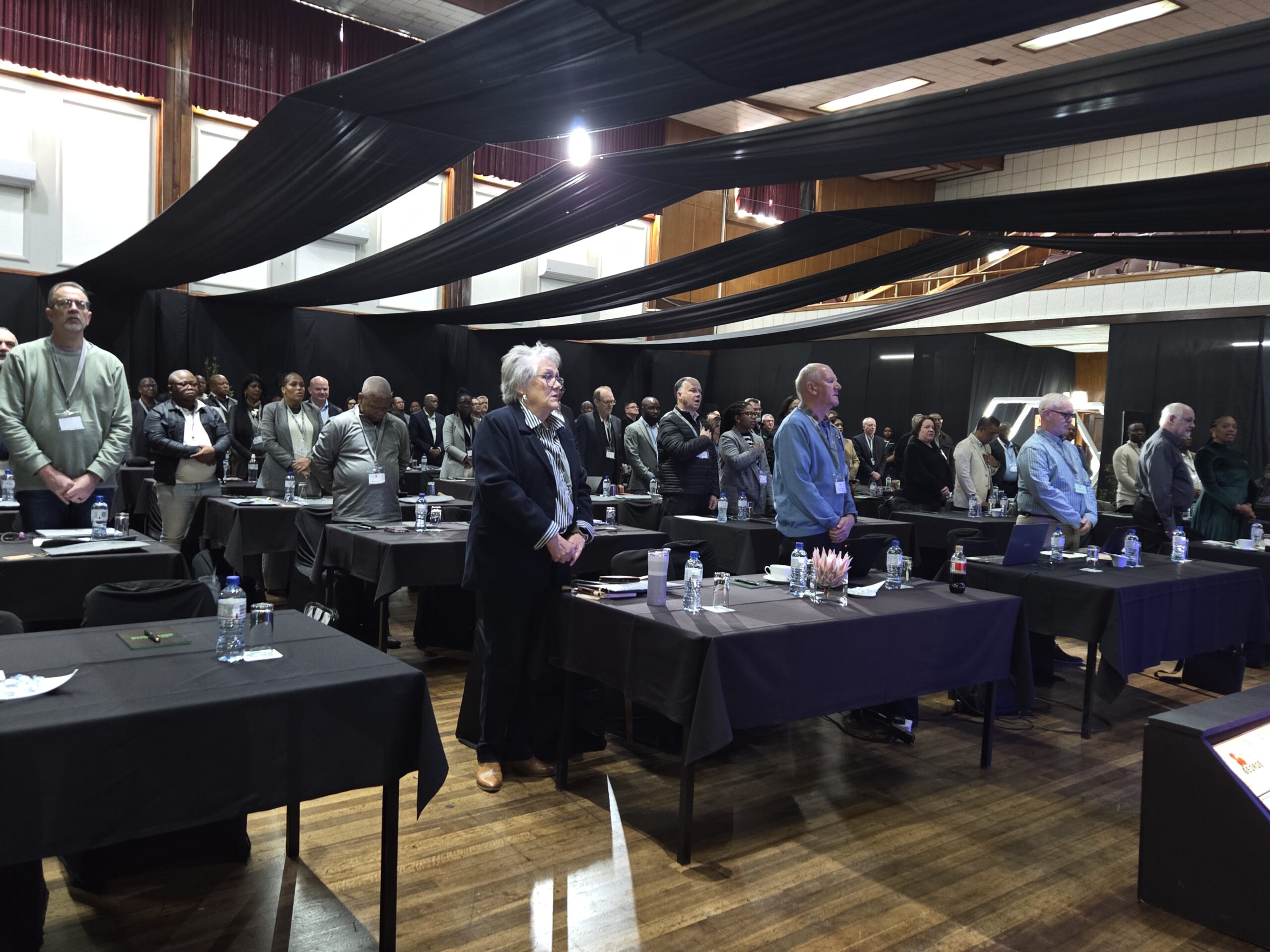

 A view of the attendees standing to observe the national anthem.
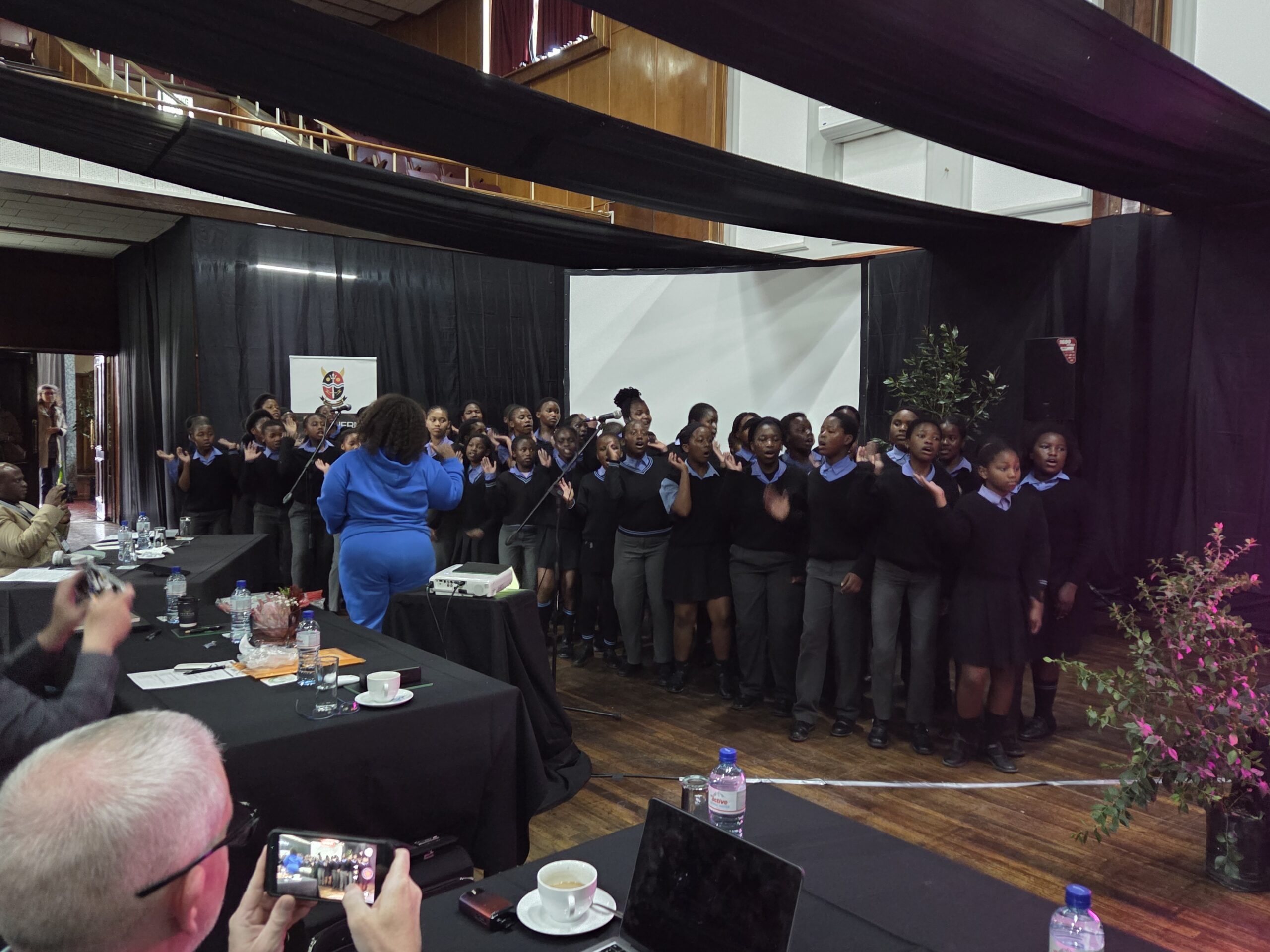

 Thembalethu Primary School choir entertained the attendees at the SARPA convention
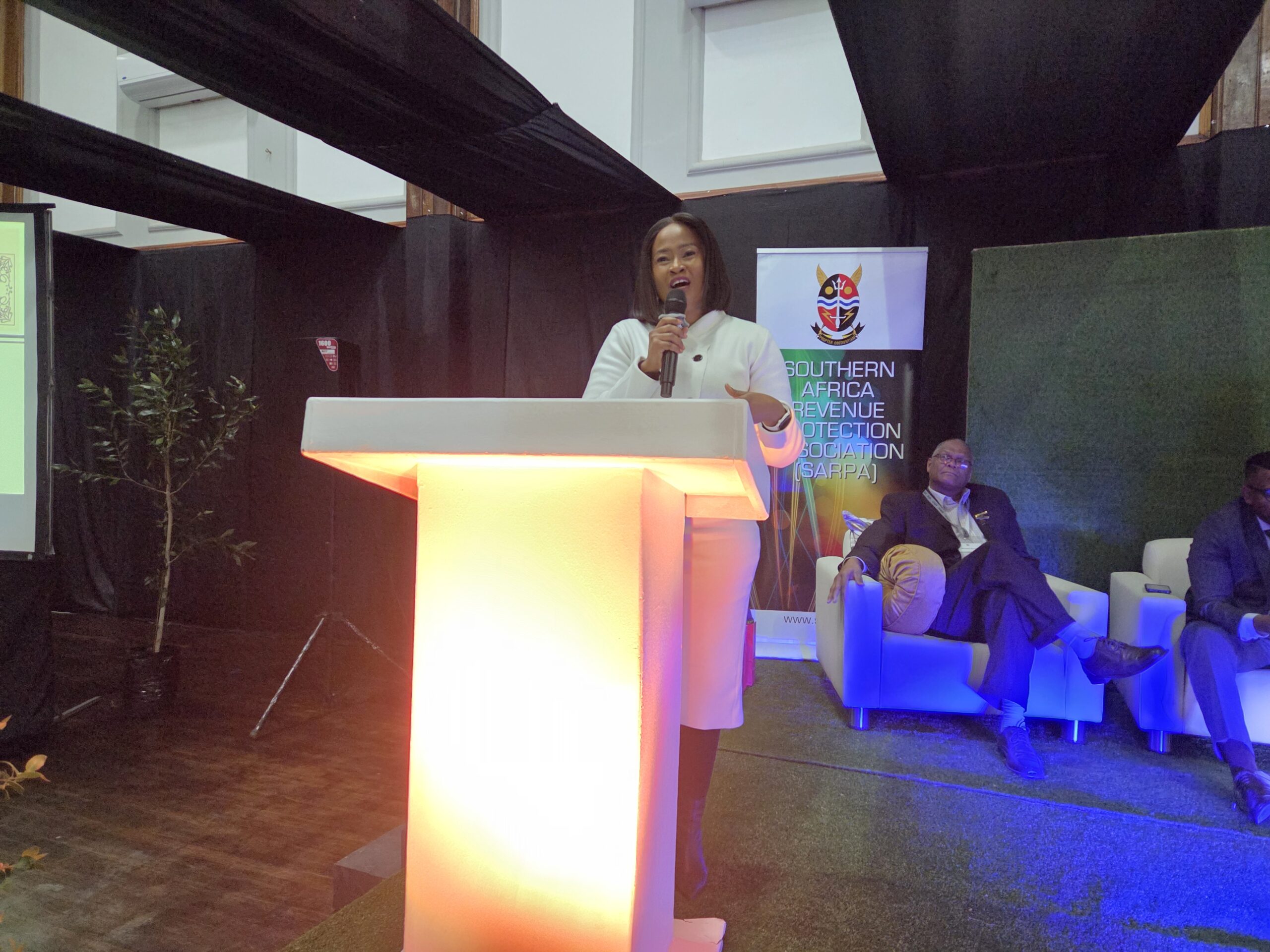

Lerato Phasha, Portfolio Head for Municipal Finance, Fiscal Policy and Revenue Enhancement at the South African Local Government Association (SALGA) delivered the keynote address at the convention.
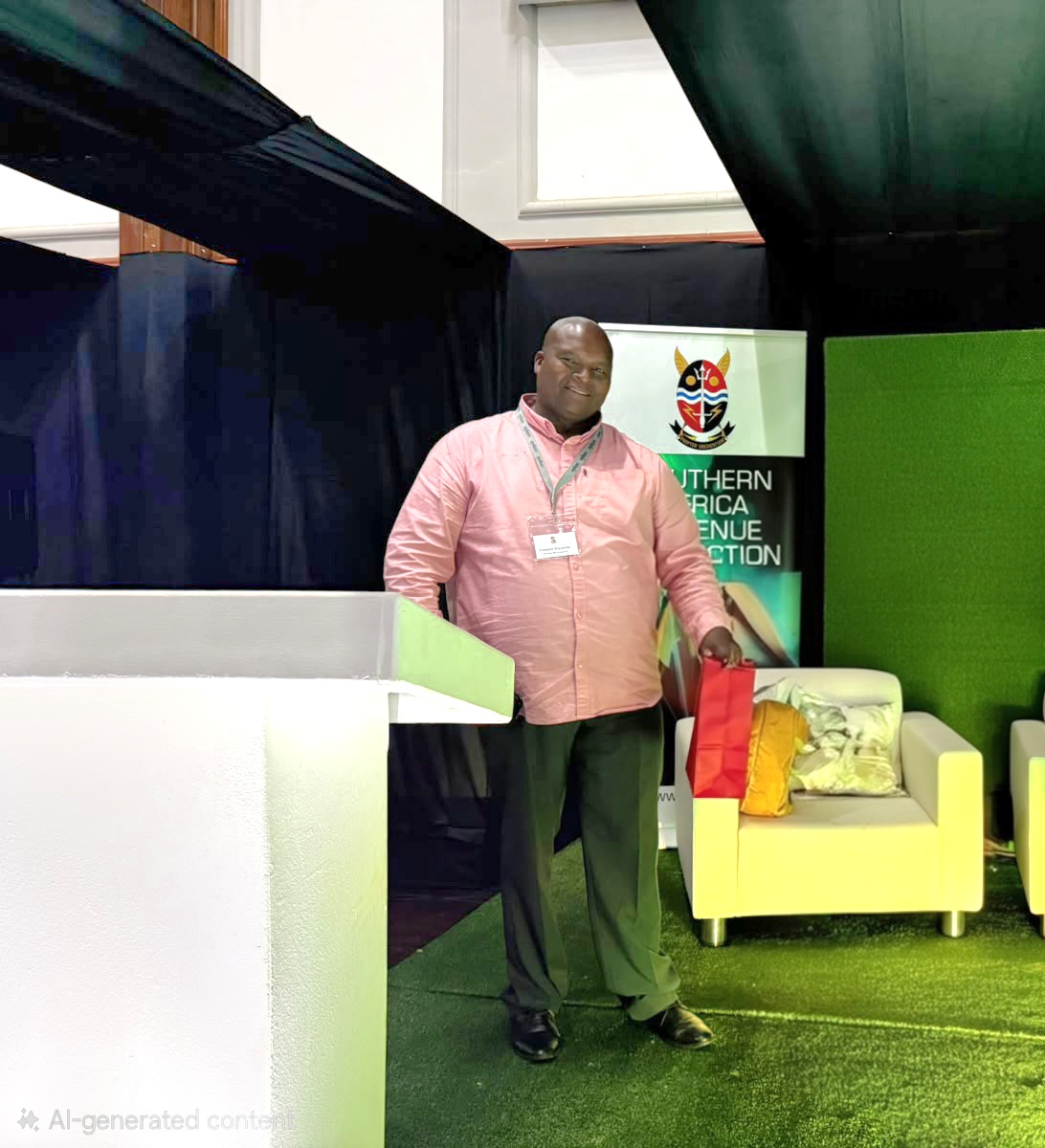

 Edward Nqumse, Superintendent Illegal Connection received the Best Paper award at the Convention.