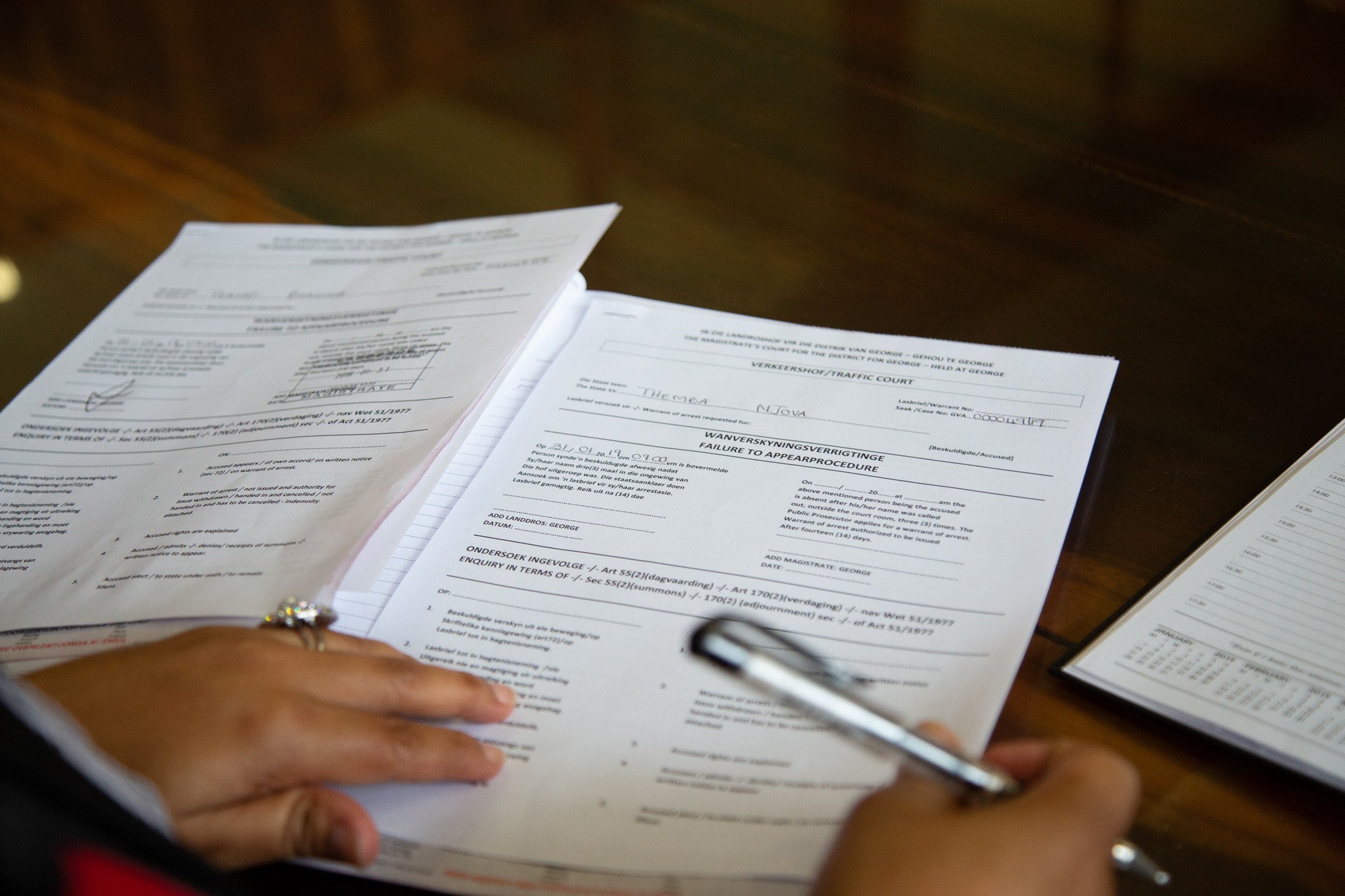
What if I admit guilt but cannot afford to pay my fine?
• You may submit written representations, in person or by email, to Provincial Traffic, George Traffic, or the Clerk of the Municipal Court requesting a reduction of your fine at any time before or on your court date.
• If your representations are successful, the prosecutor will reduce your fine after considering the nature and seriousness of the offence, the interests of society, and your personal and financial circumstances.
• It remains your responsibility to follow up on the outcome of your representations.
• Submitting representations does not suspend your court proceedings. If you have not received an outcome by your court date, you must appear at the Municipal Court on that date.
• If you cannot pay your fine before or on your court date, you must appear at the Municipal Court on that date. You may request a postponement to allow additional time to make payment.
How do I dispute a fine?
• You may dispute your fine by submitting written representations, in person or by email, to Provincial Traffic, George Traffic, or the Clerk of the Municipal Court at any time before or on your court date.
• If you dispute your fine on your court date, you must still appear in person at the Municipal Court. The matter will then be postponed for further investigation.
• Your representations will be referred to the prosecutor, who will investigate the grounds of your dispute by consulting the traffic or law enforcement officer who issued the fine, comparing the respective versions, and considering the available evidence.
• You will be notified of the outcome of your dispute. If your representations are successful, the prosecutor will withdraw your fine. If they are unsuccessful, the prosecutor will contact you to discuss your options, including submitting further representations for a reduction of your fine.
• If your dispute is unsuccessful and you wish to contest the charge at trial, you must appear at the Municipal Court on your court date for the matter to proceed.
• It remains your responsibility to follow up on the outcome of your dispute.
• Submitting a dispute does not suspend your court proceedings. If you have not received an outcome by your court date, you must appear at the Municipal Court on that date.
How are representations processed?
• Representations submitted will be forwarded to the prosecutors in accordance with the established process.
• Prosecutors have 14 days from the date they receive a representation to consider it and provide an outcome.
• Taking the established transmission and collection arrangements into account, accused persons should generally allow approximately 21 days from the date of submission before expecting an outcome.
• While awaiting an outcome, do not resubmit the same representation or forward it through another channel. Duplicate submissions create unnecessary administrative difficulties and may result in the same matter being considered by different prosecutors.
• If your court date falls within 14 days of the Traffic Department receiving your representation, you should, where reasonably possible, attend the Municipal Court and submit your representation directly to the Clerk of the Court rather than relying on the Traffic Department process.
• These processing timeframes do not change your obligation to appear in court. If you have not received an outcome by your court date, you must appear at the Municipal Court on that date.
Who do I address my representations to?
• You may submit written representations, in person or by email, to Provincial Traffic, George Traffic, or the Clerk of the Municipal Court using the contact details provided below.
• You may visit the Municipal Court at 71 York Street, Dormehlsdrift, George, to submit your representations directly to the Clerk of the Court for referral to the prosecutor.
• Representations submitted through Provincial Traffic or George Traffic will be forwarded to the Municipal Court for processing in accordance with the established transmission and collection arrangements.
• Please use only one submission channel for the same representation while awaiting an outcome.
The following persons may be contacted regarding representations:
George Traffic Department
Constance Murray 0448782400 camurray@george.gov.za
Elzaan Delo 0448782400 efdelo@george.gov.za
Tracy-Anne Olivier 0448782400 tolivier@tmt.africa
Provincial Traffic
Varsha Pillay 0448059100 varsha.pillay@westerncape.gov.za
Charlene Lee 0448059100 charlene.lee2@westerncape.gov.za
Municipal Court
Angelique Felix 0448019400 abfelix@george.gov.za
Berenice Paulson 0448019400 bpaulson@george.gov.za
****************
Wat as u skuld erken maar nie die boete kan bekostig nie?
• U mag enige tyd voor of op u hofdatum skriftelike vertoë, persoonlik of per e-pos, by Provinsiale Verkeer, George Verkeer of die Klerk van die Munisipale Hof indien om ’n vermindering van u boete te versoek.
• Indien u vertoë suksesvol is, sal die aanklaer u boete verminder nadat die aard en erns van die oortreding, die belange van die gemeenskap, en u persoonlike en finansiële omstandighede oorweeg is.
• Dit bly u verantwoordelikheid om die uitslag van u vertoë op te volg.
• Die indiening van vertoë skort nie u hofverrigtinge op nie. Indien u teen u hofdatum nog geen uitslag ontvang het nie, moet u op daardie datum in die Munisipale Hof verskyn.
• Indien u nie u boete voor of op u hofdatum kan betaal nie, moet u op daardie datum in die Munisipale Hof verskyn. U mag uitstel versoek om u bykomende tyd te gee om betaling te maak.
Hoe betwis u ’n boete?
• U mag u boete enige tyd voor of op u hofdatum betwis deur skriftelike vertoë, persoonlik of per e-pos, by Provinsiale Verkeer, George Verkeer of die Klerk van die Munisipale Hof in te dien.
• Indien u u boete op u hofdatum betwis, moet u steeds persoonlik in die Munisipale Hof verskyn. Die saak sal dan vir verdere ondersoek uitgestel word.
• U vertoë sal na die aanklaer verwys word. Die aanklaer sal die gronde van u beswaar ondersoek deur die verkeers- of wetstoepassingsbeampte wat die boete uitgereik het, te raadpleeg, die onderskeie weergawes te vergelyk en die beskikbare bewyse te oorweeg.
• U sal van die uitslag van u beswaar in kennis gestel word. Indien u vertoë suksesvol is, sal die aanklaer u boete terugtrek. Indien dit onsuksesvol is, sal die aanklaer u kontak om u opsies te bespreek, insluitend die indiening van verdere vertoë vir ’n vermindering van u boete.
• Indien u beswaar onsuksesvol is en u die aanklag tydens ’n verhoor wil betwis, moet u op u hofdatum in die Munisipale Hof verskyn sodat die saak kan voortgaan.
• Dit bly u veranseparatelyseparatelytwoordelikheid om die uitslag van u beswaar op te volg.
• Die indiening van ’n beswaar skort nie u hofverrigtinge op nie. Indien u teen u hofdatum nog geen uitslag ontvang het nie, moet u op daardie datum in die Munisipale Hof verskyn.
Hoe word vertoë verwerk?
• Vertoë wat ingedien word, sal volgens die gevestigde proses aan die aanklaers gestuur word.
• Aanklaers het 14 dae vanaf die datum waarop hulle ’n vertoog ontvang om dit te oorweeg en ’n uitslag te verskaf.
• Met inagneming van die gevestigde versendings- en afhaalreëlings behoort beskuldigdes oor die algemeen ongeveer 21 dae vanaf die datum van indiening toe te laat voordat hulle ’n uitslag verwag.
• Terwyl u op ’n uitslag wag, moet u nie dieselfde vertoog weer indien of dit deur ’n ander kanaal aanstuur nie. Duplikaatindienings skep onnodige administratiewe probleme en kan daartoe lei dat dieselfde aangeleentheid deur verskillende aanklaers oorweeg word.
• Indien u hofdatum binne 14 dae val nadat die Verkeersdepartement u vertoog ontvang het, behoort u, waar dit redelikerwys moontlik is, die Munisipale Hof te besoek en u vertoog direk by die Klerk van die Hof in te dien, eerder as om op die Verkeersdepartement se proses staat te maak.
• Hierdie verwerkingstydperke verander nie u verpligting om in die hof te verskyn nie. Indien u teen u hofdatum nog geen uitslag ontvang het nie, moet u op daardie datum in die Munisipale Hof verskyn.
Aan wie rig u u vertoë?
• U mag skriftelike vertoë, persoonlik of per e-pos, by Provinsiale Verkeer, George Verkeer of die Klerk van die Munisipale Hof indien deur die kontakbesonderhede hieronder te gebruik.
• U kan die Munisipale Hof by 71 Yorkstraat, Dormehlsdrift, George, besoek om u vertoë direk by die Klerk van die Hof in te dien vir verwysing na die aanklaer.
• Vertoë wat deur Provinsiale Verkeer of George Verkeer ingedien word, sal volgens die gevestigde versendings- en afhaalreëlings aan die Munisipale Hof gestuur word vir verwerking.
• Gebruik asseblief slegs een indieningskanaal vir dieselfde vertoog terwyl u op ’n uitslag wag.
Die volgende persone kan oor vertoë gekontak word:
George Traffic Department
Constance Murray 0448782400 camurray@george.gov.za
Elzaan Delo 0448782400 efdelo@george.gov.za
Tracy-Anne Olivier 0448782400 tolivier@tmt.africa
Provincial Traffic
Varsha Pillay 0448059100 varsha.pillay@westerncape.gov.za
Charlene Lee 0448059100 charlene.lee2@westerncape.gov.za
Municipal Court
Angelique Felix 0448019400 abfelix@george.gov.za
Berenice Paulson 0448019400 bpaulson@george.gov.za
***************
Kwenzeka ntoni xa ndivuma ukuba ndinetyala kodwa andikwazi ukumelana nokuhlawula isohlwayo sam?
• Ungenza umelo olubhaliweyo ngokwakho okanye nge-imeyili oluya kwiCandelo leZendlela lePhondo, iCandelo lezeNdlela laseGeorge okanye kuNobhala weNkundla kaMasipala ucela ukuncitshiswa kwesohlwayo sakho nangaliphi na ixesha phambi okanye ngomhla wakho wokuvela enkundleni.
• Ukuba umelo lwakho luthe lwaphumelela, umtshutshisi uya kusinciphisa isohlwayo sakho ngokufanelekileyo emva kokuqwalasela uhlobo nobuzaza bolwaphulo-mthetho, iimfuno zoluNtu, kwakunye neemeko zakho zobuqu nezemali.
• Kuhlala kuluxanduva lwakho ukulandelela iziphumo zomelo lwakho.
• Ukungenisa umelo lwakho akuzimisi iinkqubo zakho zenkundla. Ukuba awufumani nayiphi na impendulo ngomhla wakho wokuvela enkundleni, kufuneka uvele kwiNkundla kaMasipala ngomhla wakho wenkundla.
• Ukuba awukwazi ukuhlawula isohlwayo sakho phambi okanye ngomhla wenkundla yakho kufuneka uvele kwiNkundla kaMasipala ngomhla wakho wokuvela enkundleni. Unokucela ukuhlehliswa komhla wokuvela enkundleni ukukunika ithuba elongezelelweyo lokwenza intlawulo.
Ndisiphikisa njani isohlwayo?
• Ungasiphikisa isohlwayo sakho ngokungenisa umelo lwakho olubhaliweyo, ngokwakho okanye nge-imeyili kwiCandelo leZendlela lePhondo, iCandelo lezeNdlela laseGeorge okanye kuNobhala weNkundla kaMasipala nangaliphi na ixesha phambi okanye ngomhla wakho wenkundla.
• Xa usiphikisa isohlwayo sakho ngomhla wakho wokuvela enkundleni, kufuneka uvele ngokwakho enkundleni kaMasipala. Umba ke uyakumiswa enkundleni ukuze kuphandwe ngaphezulu.
• Umelo lwakho luya kuthunyelwa kumtshutshisi oya kuphanda ngezizathu zempikiswano yakho ngokudibana negosa lezendlela/lonyanzeliso lomthetho elikhuphe isohlwayo, ethelekisa ezo nguqulelo zahlukileyo, kwaye athathele ingqalelo ubungqina obukhoyo.
• Uya kwaziswa ngesiphumo sembambano yakho. Ukuba umelo lwakho luphumelele, umtshutshisi uya kusirhoxisa isohlwayo sakho. Ukuba awuphumelelanga, umtshutshisi uya kuqhagamshelana nawe ukuze nixoxe ngezinto onokukhetha kuzo, ezibandakanya ukungenisa olunye umelo lokuthotywa kwesohlwayo sakho.
• Ukuba inkqubo yakho yokuphikisa ayiphumelelanga kwaye unqwenela ukuphikisa isimangalo enkundleni, kuya kufuneka uvele kwiNkundla kaMasipala ngomhla wakho wokuvela enkundleni ukuze umcimbi uqhubeke.
• Kuhlala kuluxanduva lwakho ukulandelela iziphumo zempikiswano yakho.
* Ukungenisa inkqubo yakho yokuphikisa akuzirhoxisi iinkqubo zakho zenkundla. Ukuba awukayifumani impendulo ngomhla wokuvela kwakho enkundleni, kufuneka uvele kwiNkundla kaMasipala ngaloo mhla wenkundla.
Luqhutywa njani umelo
• Umelo olungenisiweyo luya kuthunyelwa kumtshutshisi ngokungqinelana nenkqubo esekiweyo.
• Umtshutshisi uneentsuku ezili-14 ukusuka kumhla afumene ngawo umelo zokuqwalasela kwaye anike isiphumo.
• Kuthathelwa ingqalelo amalungiselelo amiselweyo okuthumela kunye nokuqokelela, abantu abatyholwayo kufuneka bavumele ngokubanzi malunga neentsuku ezingama-21 ukususela kumhla wokungeniswa phambi kokulindela isiphumo.
• Ngelixa ulindele isiphumo, musa ukuphinda uthumele umelo olufanayo okanye uluthumele kwelinye ijelo. Ukufakwa okuphindwe kabini kudala ubunzima obungeyomfuneko kulawulo kwaye kunokubangela ukuba umcimbi omnye uqwalaselwe ngabatshutshisi abohlukileyo.
• Ukuba umhla wakho wokuvela enkundleni uwela kwiintsuku ezili-14 emva kokuba iSebe lezeNdlela lifumene umelo lwakho, kufuneka, apho kunokwenzeka khona, uye kwiNkundla kaMasipala kwaye ungenise umelo lwakho ngqo kuNobhala weNkundla kunokuba uxhomekeke kwinkqubo yeSebe lezeNdlela.
• La maxesha okusenbenza awalutshintshi uxanduva lwakho lokuvela enkundleni. Ukuba awufumananga siphumo ngomhla wenkundla, kufuneka uvele kwiNkundla kaMasipala ngaloo mhla.
Ngubani endiza kulubhekisa kuye umelo lwam?
• Ungangenisa umelo lwakho olubhaliweyo ngokwakho okanye nge-imeyili kwiCandelo leZendlela lePhondo, iCandelo lezeNdlela laseGeorge okanye kuNobhala weNkundla kaMasipala usebenzisa iinkcukacha zoqhagamshelwano ezinikezelwe ngezantsi.
• Ungandwendwela iNkundla kaMasipala ekuma-71 York Street, Dormehlsdrift, eGeorge, ukuze ungenise umelo lwakho ngqo kuNobhala weNkundla ukuze ludluliselwe kumtshutshisi.
• Umelo olungeniswe ngokudlula kwiCandelo leZendlela lePhondo, iCandelo lezeNdlela laseGeorge luya kuthunyelwa kwiNkundla kaMasipala ukuze luqwalaselwe ngokuhambelana namalungiselelo amiselweyo okuthumela kunye nokuqokelela.
• Nceda usebenzise ijelo elinye kuphela lokungenisa isicelo esifanayo ngelixa ulinde isiphumo.
Aba bantu balandelayo bangaqhagamshelwa malunga nomelo:
Isebe lezeNdlela laseGeorge
Constance Murray 0448782400 camurray@george.gov.za
Elzaan Delo 0448782400 efdelo@george.gov.za
Tracy-Anne Olivier 0448782400 tolivier@tmt.africa
Provincial Traffic
Varsha Pillay 0448059100 varsha.pillay@westerncape.gov.za
Charlene Lee 0448059100 charlene.lee2@westerncape.gov.za
Municipal Court
Angelique Felix 0448019400 abfelix@george.gov.za
Berenice Paulson 0448019400 bpaulson@george.gov.za

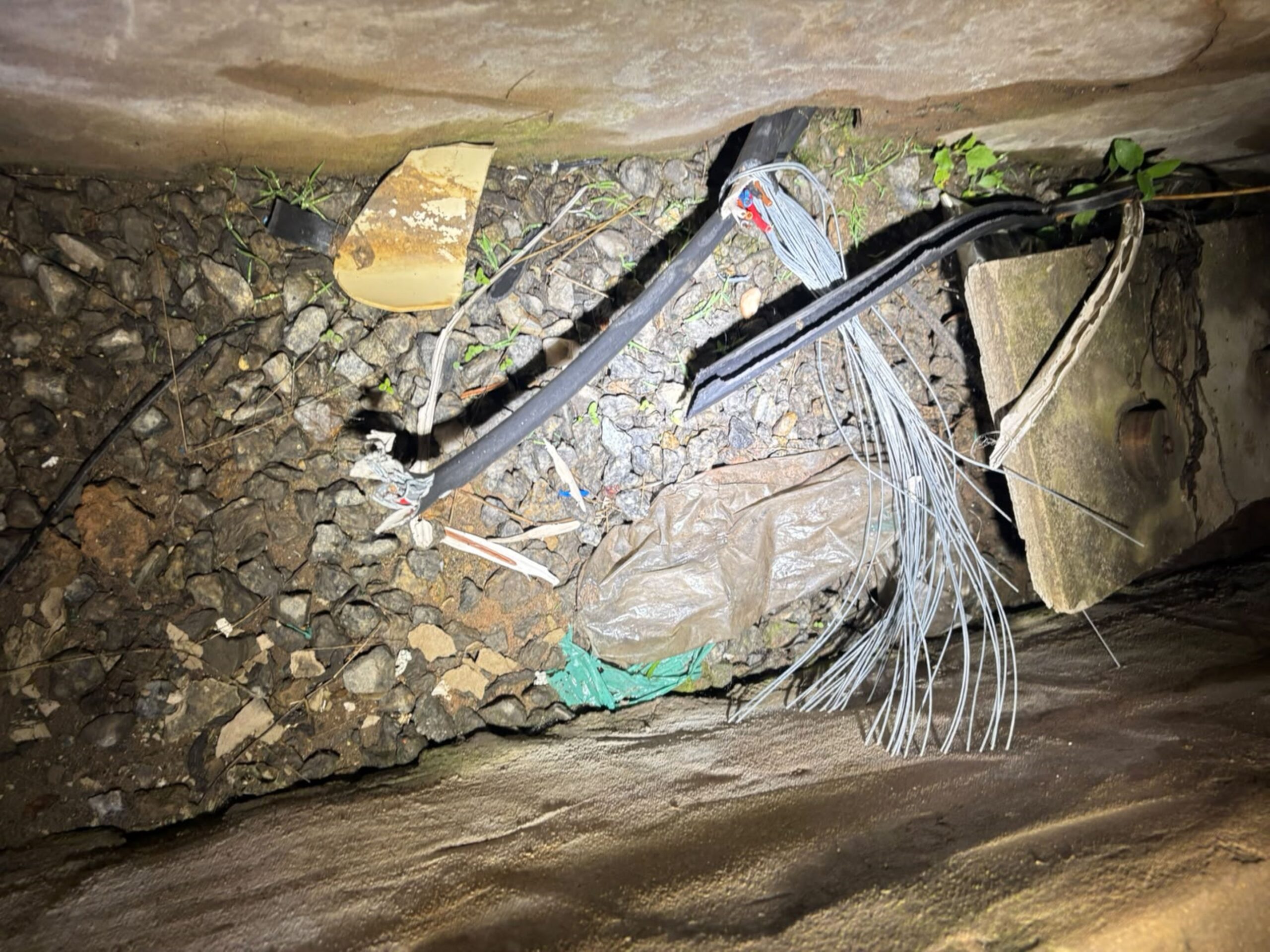 Vandalised cabling: Damaged and vandalized electrical cabling recovered at Tamsui Substation following the arrest of the two suspects during the early hours of 22 October 2026.
 All Nine Winners, three per language: The top nine participants across the Afrikaans, English, and isiXhosa categories display their trophies and medals following the George Municipality’s Annual Branch Libraries’ Spelling Bee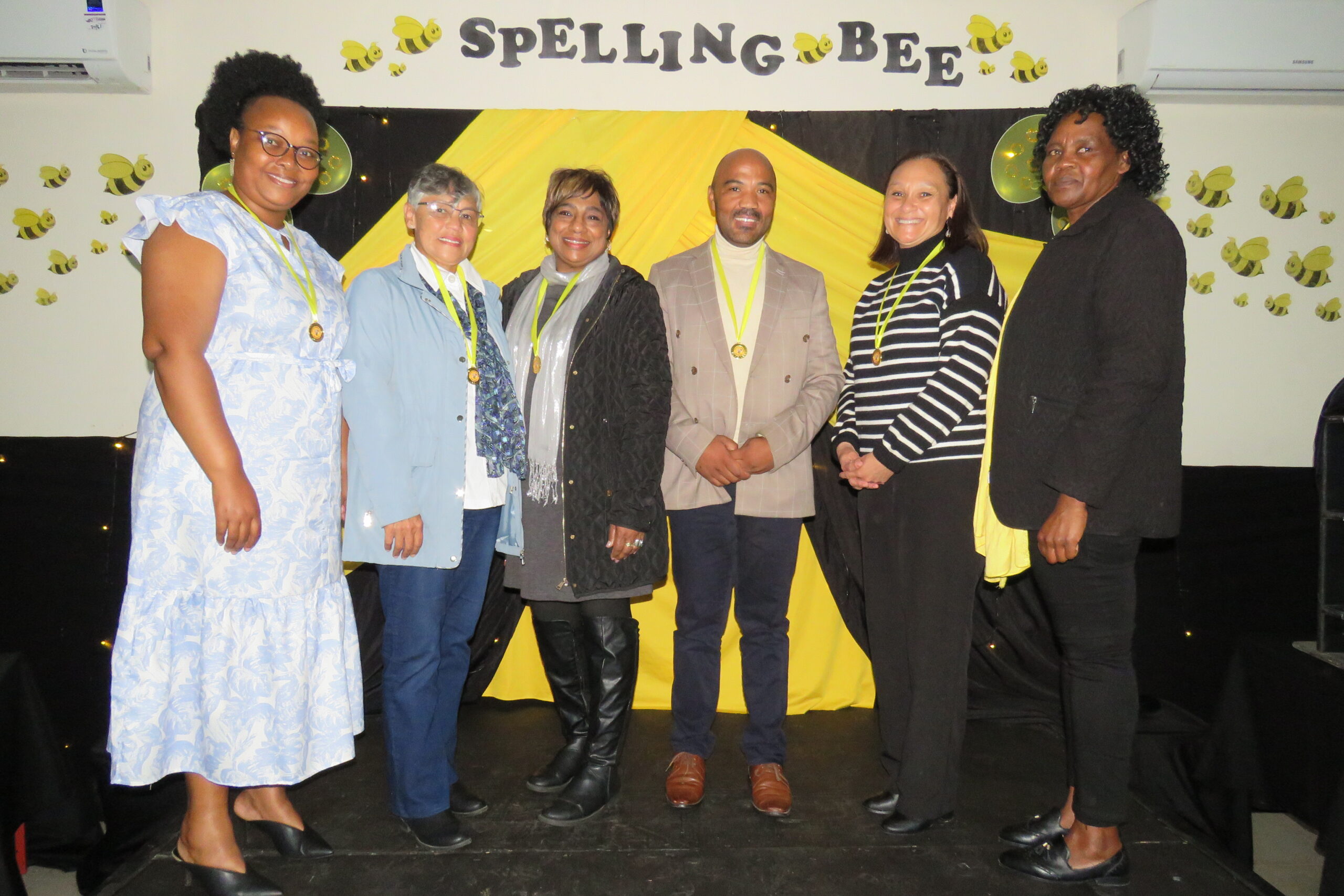
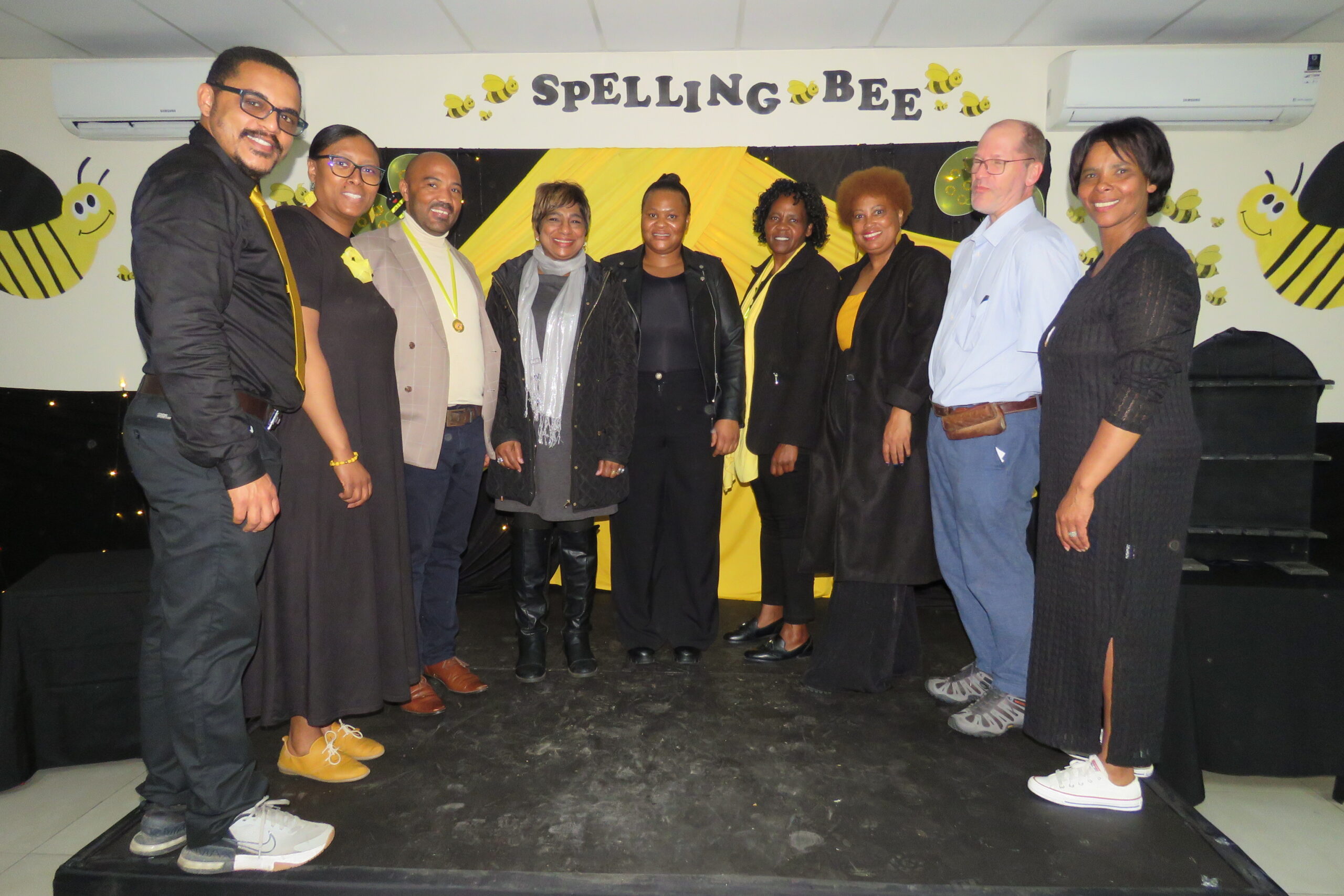 George Librarians and organisers of the Spelling BEE: George Municipality library staff and event organizers gathered on stage at Conville Library following the successful hosting of the Spelling Bee.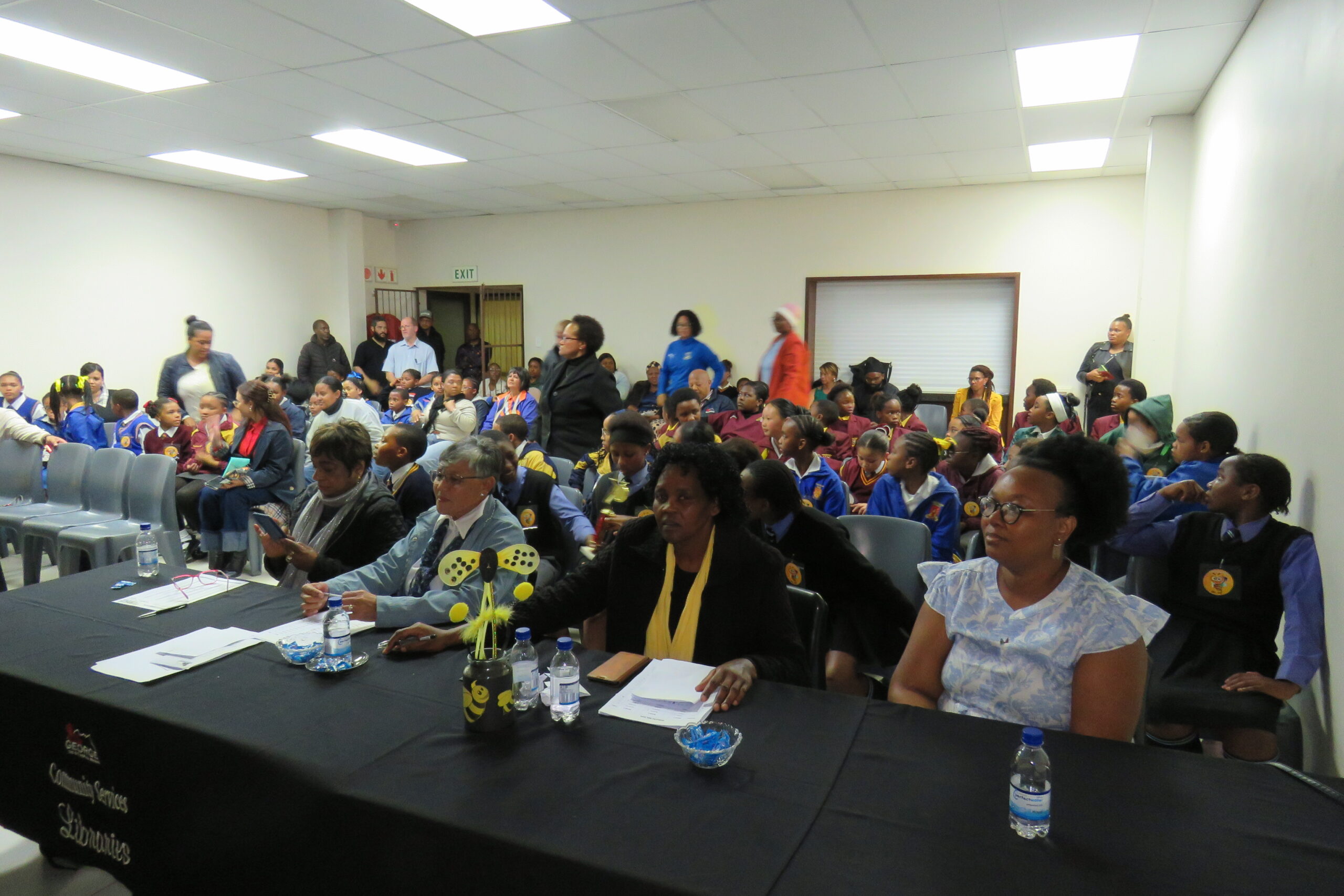
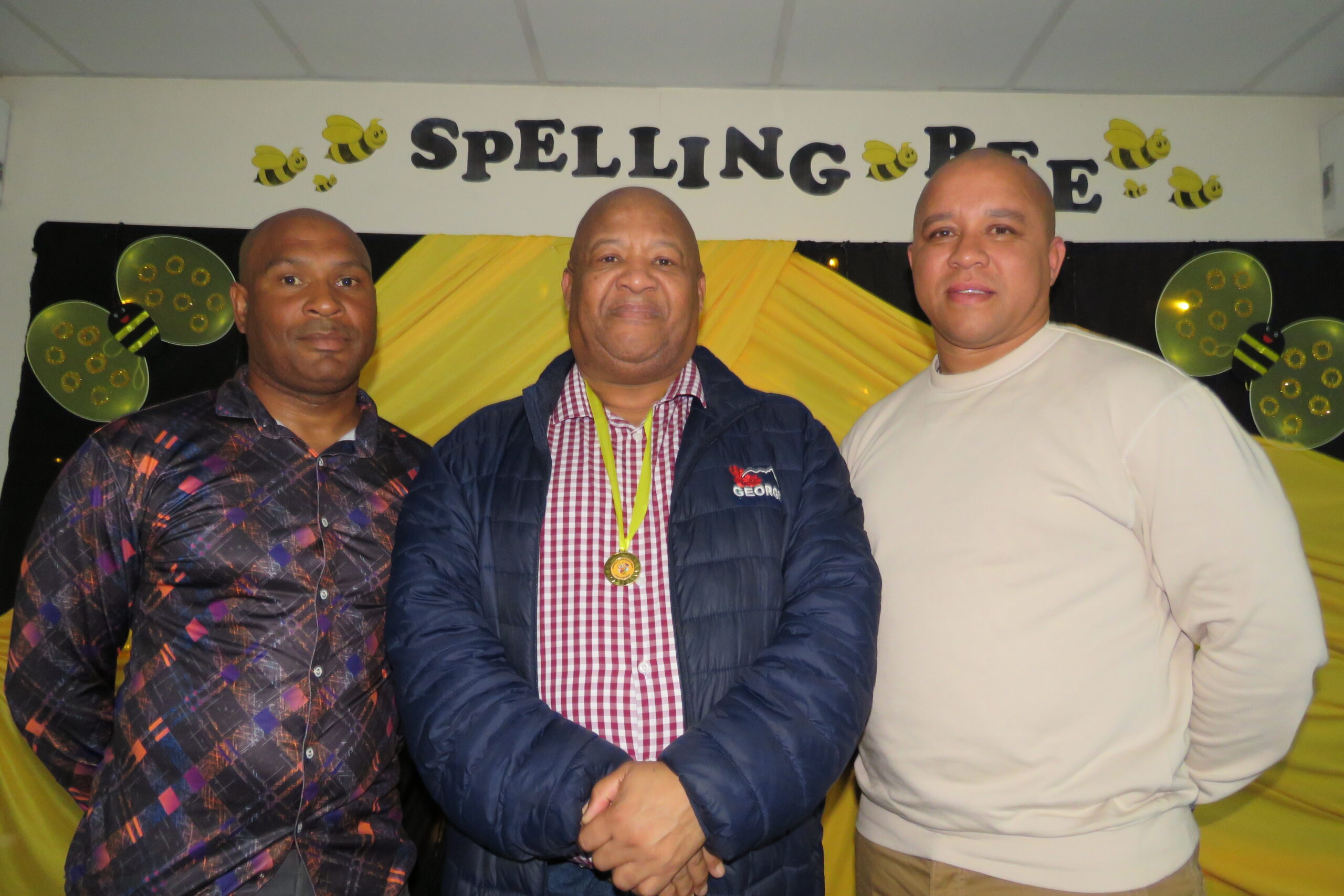 Growing the Spelling Bee
 Green Coast Award: Celebrating Gwaing Beach’s third consecutive WESSA Green Coast Award for 2026/27 are (from left) Cindy-Lee Cloete (WESSA Chief Executive Officer), Sisanda Velembo (Superintendent: Parks and Recreation, George Municipality), Thandiwe Mayile (Superintendent: Beaches and Public Ablution Facilities, George Municipality), Kathy Young (Foundation for Environmental Education International board member), and Jansen Davies (WESSA board Chairperson).
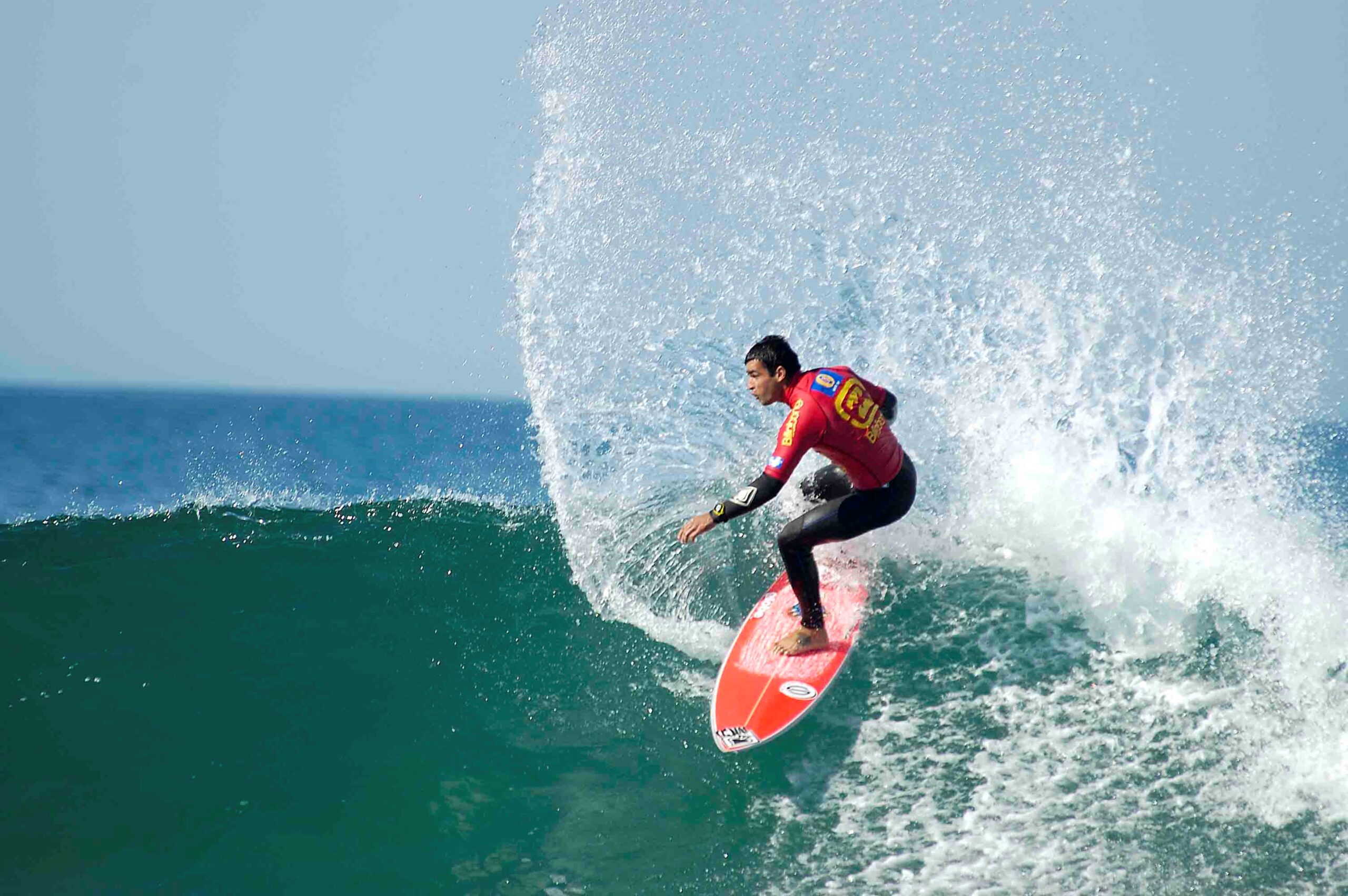 Victoria Bay surfing: Victoria Bay received special recognition at the awards ceremony for maintaining continuous Blue Flag status for five consecutive years, highlighting George Municipality’s commitment to clean, safe, and world-class coastal management.